SHUTTER BUG ACADEMY / LEARN PHOTOGRAPHY
The Complete Camera Lens Guide: Types, Uses, Optics, and Prices
Choose the lens. Understand the tradeoff. Make the photograph.
THIS ARTICLE IS VERY LONG. USE THE TABLE OF CONTENTS BELOW TO HELP NAVIGATE!
- My Preferred Lens List in Order
- The Beginner
- 14-16 mm Ultra Wide Angle Prime Lenses
- PREMIUM LENS OPTION
- 20-35 mm Wide Angle Prime Lenses
- PREMIUM LENS OPTION
- 40-50 mm Standard Prime Lenses
- PREMIUM LENS OPTION
- 85-135mm Telephoto Prime Lenses
- PREMIUM LENS OPTION
- 300+mm Super Telephoto Prime Lenses
- PREMIUM LENS OPTION
- Ultra Wide Angle Zoom Lenses
- PREMIUM LENS OPTION
- Wide to Standard Zoom Lenses
- PREMIUM LENS OPTION
- Telephoto Zoom Lenses
- PREMIUM LENS OPTION
01 / LENS KNOWLEDGE
The best lens starts with the photograph
A lens should help you make a picture that you can describe before you buy it. Do you need to include an entire room, isolate a face, stop a basketball player, or fill the frame with a small bird? Those are useful reasons to choose a lens. Owning the most expensive glass is not a photographic direction.
This guide explains the main lens families and the engineering terms printed on their barrels. These are representative tools, not a universal ranking or a shopping list to buy in full. A lens that is excellent for one assignment can be awkward for another.
First decide where you need to stand and what relationship you want between subject and background. Then choose the angle of view, maximum aperture, focusing performance, and handling that support that decision. Light, timing, composition, and your understanding of the camera still determine whether the photograph works.
02 / LENS KNOWLEDGE
Focal length, sensor size, and perspective
Focal length is stated in millimeters. For a given sensor or film size, shorter focal lengths show a wider angle of view; longer focal lengths show a narrower one. On a full-frame camera or 35mm film camera, 14-20mm is ultra-wide, 24-35mm is wide, roughly 40-60mm is normal, 70-135mm is short telephoto, and 200mm and beyond gives increasingly narrow views. These boundaries are useful conventions rather than hard rules.
The same focal length frames differently on a different format. A 35mm lens on a 1.5x APS-C camera shows approximately the angle of view of a 52.5mm lens on full frame. On Canon 1.6x APS-C it is equivalent to 56mm; on Micro Four Thirds, 17.5mm gives approximately a 35mm full-frame angle of view. Multiply focal length by crop factor to compare framing. The physical focal length does not change.
Sensor Size
Crop factor does not turn f/2.8 into a different exposure aperture. At the same shutter speed, ISO, and scene brightness, f/2.8 remains f/2.8 for exposure, allowing for transmission differences. Depth-of-field comparisons across formats need matched framing, viewing conditions, and camera position; an equivalent-depth-of-field f-number is not an instruction to change your exposure meter.
Perspective comes from camera position. A wide lens encourages you to move close, making nearby objects look much larger relative to distant objects. A long lens often makes you move farther away, which makes those size differences smaller. From one fixed camera position, a cropped wide image and a longer-lens image share the same geometric perspective, although resolution and depth of field can differ.
For a portrait, back up until the face has the proportions you want, then select a focal length that frames it appropriately. A 24mm lens used very close to a face can exaggerate the nose; using that same lens farther back for an environmental portrait can be exactly right.
03 / LENS KNOWLEDGE
Prime versus zoom: two ways to work
A prime has one focal length, such as 35mm, 50mm, or 85mm. A zoom covers a range, such as 24-70mm. A prime is not automatically sharper than a zoom: compare the actual designs, apertures, focal lengths, and parts of the frame you use. Modern professional zooms can be excellent.
Primes often offer wider maximum apertures and can be smaller than a zoom covering the same focal length. They are useful for available-light work, deliberate framing, and shallow depth of field. A modest 50mm f/1.8 is a practical way to explore these ideas without buying a large professional lens.
Their limitation is framing flexibility. Moving your feet changes camera position and therefore perspective; it does not reproduce the same photograph that a zoom makes from one position. You may also be unable to move because of a railing, an aisle, a cliff, or the need to remain unobtrusive.
Zoom Lenses
Zooms are useful when the subject distance changes quickly or your position is restricted. At a wedding, a 24-70mm can move from an establishing photograph to a tighter moment without a lens change. For sports, a telephoto zoom helps follow action approaching the camera. The tradeoffs may include size, weight, a smaller maximum aperture, and variation in performance across the zoom range.
Practice with intention: set a zoom to 35mm for an hour, then to 85mm for an hour. Notice how your working distance and attention change. You do not need to purchase a prime to learn what that focal length contributes.
04 / LENS KNOWLEDGE
Fast and slow lenses: what the words actually mean
A fast lens has a relatively wide maximum aperture, expressed by a low f-number. A 50mm f/1.4 is faster than a 50mm f/2.8 because it admits more light per unit image area at its maximum opening, allowing a faster shutter speed at the same ISO. Fast does not describe its autofocus motor.
The f-number is focal length divided by entrance-pupil diameter. The entrance pupil is the apparent aperture opening seen through the front optics; it is not simply the filter-thread diameter. A 50mm lens at f/2 has an entrance pupil about 25mm across. A 200mm lens at f/2 requires about 100mm, helping explain why long, fast lenses become large.
Each full stop doubles or halves the light: f/1.4, f/2, f/2.8, f/4, f/5.6, f/8, f/11, f/16. If a scene requires 1/60 second at f/5.6, opening to f/2.8 permits about 1/250 second at the same ISO. That is two stops and four times the light. Alternatively, keep the shutter speed and lower ISO from 3200 to 800.
A wide aperture can help separate a subject from its background, but it also reduces depth of field at the same focal length and focus distance. At close portrait distances, one eye can be sharp while the other is soft. Focus placement becomes more demanding, and some lenses improve edge detail when stopped down.
Slow lenses
A slower lens can be the better tool when you hike, work in daylight, use a tripod, or need f/8 for depth of field anyway. An f/4 travel zoom is one stop slower than f/2.8, not an inferior category of photography. Evaluate the aperture you actually need, not just the lowest number you can afford.
The f-number describes geometry. A T-stop also accounts for measured light transmission. Two lenses set to the same f-number can transmit slightly different amounts of light; that is one reason cinema lenses are often marked in T-stops.
Two stops of light
f/5.6 at 1/60 s → f/4 at 1/125 s → f/2.8 at 1/250 s
Same ISO and equivalent exposure. The wider aperture permits a faster shutter.
05 / LENS KNOWLEDGE
Constant, variable, and truly fixed aperture
A constant-maximum-aperture zoom, such as a 24-70mm f/2.8, can use f/2.8 at every focal length in its zoom range. You can still choose f/4, f/8, or another supported setting. This is the meaning photographers usually intend when they casually say a fixed-aperture zoom.
A variable-maximum-aperture zoom, such as a 24-105mm f/4-7.1, can open to f/4 at the wide end but only f/7.1 at the long end. The maximum opening becomes smaller in stages as you zoom. The two numbers do not mean that f/4 and f/7.1 are the only available apertures. If possible stay away from these lenses.
Imagine setting manual exposure to f/4, 1/250 second, and ISO 400 at 24mm. Zooming to 105mm on that f/4-7.1 lens forces a smaller maximum opening and reduces exposure by about 1 2/3 stops unless shutter speed or ISO compensates. Auto ISO or an automatic exposure mode may hide the brightness change by altering another setting. If you choose f/8 from the start, it is available throughout this zoom range.
Constant Aperture
Constant maximum aperture is convenient for events and video because zooming does not force this particular aperture change. It does not guarantee perfect transmission consistency or that the lens is parfocal. A parfocal zoom holds focus while zooming; many still-photo zooms rely on refocusing or electronic compensation.
A truly fixed-aperture lens has no adjustable iris. The Canon RF 600mm f/11 IS STM is an example: its native aperture is f/11. Exposure is controlled through shutter speed, ISO, and light. Finally, fixed focal length means prime. That is a separate property from either kind of aperture design.
| Term | Example | Meaning |
|---|---|---|
| Fixed focal length | 50mm f/1.8 | Prime lens; aperture is adjustable. |
| Constant maximum aperture | 24-70mm f/2.8 | f/2.8 available throughout the zoom range. |
| Variable maximum aperture | 24-105mm f/4-7.1 | Maximum opening becomes smaller toward the long end. |
| Truly fixed aperture | 600mm f/11 | No adjustable iris; native aperture remains f/11. |
06 / LENS KNOWLEDGE
Aspherical elements: shaping the light more precisely
A conventional spherical optical surface follows part of a sphere. An aspherical surface deliberately departs from that shape, so its curvature can vary across the element. It gives designers additional control over how rays passing through different parts of the lens are refracted.
In a simple spherical element, rays near the edge and rays near the center may not meet at the same focus. This spherical aberration can lower contrast and produce softness. An aspherical element can help correct it; in a complete lens design, aspheres can also help manage distortion, coma, and the number or size of elements needed.
Aspherical does not mean distortion-free, and it is not a quality grade. A small inexpensive lens and a large professional lens may both contain an asphere but have very different correction goals. Some modern compact lenses deliberately combine optical design with software correction for distortion and shading.
Look at the result that matters: are stars near the corners well shaped, are building edges handled well, and is detail good across the frame at your working aperture? The number of aspherical elements alone cannot answer those questions.
07 / LENS KNOWLEDGE
Glass quality: why two 50mm lenses can look different
Focal length tells you the angle of view on a given format. It says little about how cleanly a lens renders fine detail, how its corners behave, or how well it handles bright light. Glass formulation, element shapes, optical layout, polishing, coatings, internal baffling, and assembly tolerances all contribute.
Different wavelengths bend by different amounts. If colors fail to focus together, chromatic aberration can produce colored fringes or a loss of crispness. Extra-low dispersion glass, often labeled ED, UD, FLD, or SLD depending on the manufacturer, helps designers control this behavior. These labels are not interchangeable numerical quality scores.
Resolution describes the ability to distinguish fine detail. Contrast describes differences between light and dark; fine-detail contrast contributes to the impression of crispness. A lens can be sharp in the center but weaker at the edges, especially wide open. Field curvature, astigmatism, coma, and chromatic aberration affect different subjects in different ways.
Better control of flare can preserve subtle tonal separation in a backlit scene. It does not expand the sensor’s dynamic range or recover highlights that were clipped by overexposure. Likewise, an expensive lens cannot restore a subject that was out of focus or blurred by the wrong shutter speed.
Bokeh describes the character of out-of-focus rendering, not simply how much blur there is. Smooth transitions, highlight shape, onion-ring patterns, bright rims, and cat-eye shapes can all influence it. Blade count is only one factor. A technically imperfect lens may have a rendering you enjoy, but choose that character deliberately.
Price also pays for a wider aperture, faster motors, tougher construction, tighter tolerances, special controls, or lower weight. Compare two lenses at the apertures, distances, output sizes, and lighting you actually use. An f/1.2 flagship may offer little practical advantage over a good f/1.8 lens for an f/8 studio portrait.
08 / LENS KNOWLEDGE
Multicoating, flare, and the value of a lens hood
At an air-to-glass boundary, some light reflects instead of passing through. Multiple elements create many opportunities for unwanted reflections. These can form ghost shapes or spread a veil of light over the image, weakening blacks and local contrast.
Anti-reflection coatings use very thin layers with carefully chosen optical properties to reduce reflection. Multiple layers broaden the range of wavelengths and angles over which the coating works. Good multicoating improves useful transmission and helps preserve contrast and color consistency in difficult light.
Multi-coated generally means more than one coating layer; fully multi-coated usually means multilayer treatment of all relevant air-to-glass surfaces. Marketing terminology and proprietary names vary. A colored reflection on the front element is not a reliable test of overall lens quality.
Fluorine or other water- and oil-repellent top coatings serve a different main purpose: making an exposed surface easier to clean. They do not replace an optical anti-reflection system. Internal blackening and a properly fitted hood also matter because they help keep unwanted light from reaching or bouncing around the optics.
Use the correct hood whenever it is practical. Shade the lens from a bright source just outside the frame, and keep the front element reasonably clean. A poor filter can add reflections to an otherwise excellent lens; remove a protective filter temporarily if a night scene develops new ghosts around point lights.
09 / LENS KNOWLEDGE
Vibration reduction and image stabilization
Optical stabilization detects camera movement and moves an optical group to help keep the image steady on the sensor. Nikon calls it VR, Canon IS, Sony OSS, Tamron VC, and Sigma OS. Other makers use OIS. In-body image stabilization, or IBIS, moves the sensor. Compatible lens and body systems may coordinate their corrections.
Stabilization mainly reduces blur from camera shake. It does not stop a walking person, fluttering leaf, or flying bird. A stabilized 1/15-second exposure might render a building sharply while a person crossing in front of it blurs. To freeze that person, you still need an appropriate shutter speed.
A four-stop benefit means a shutter speed sixteen times longer under the stated test conditions. If you normally need 1/250 second, four stops is about 1/15 second. That is an illustration, not a promise for every photograph. Technique, focal length, subject distance, magnification, camera, and the stabilization mode all affect the result.
For panning, use the manufacturer’s recommended mode so the system does not fight intentional movement. For tripod work, follow the specific lens and camera instructions; some systems detect support and some recommend switching stabilization off. Do not add a lens’s stop rating to a body’s rating to calculate a combined benefit.
At macro distances, forward-and-back body movement can shift the plane of focus. Stabilization cannot keep every close-up sharp when the subject or photographer moves through that very shallow focus zone. Support, lighting, and careful technique remain valuable.
10 / LENS KNOWLEDGE
Fast, quiet focusing motors
Autofocus is a partnership between the camera’s detection and tracking system, lens electronics, motor, and the mass of the focusing group. A bright maximum aperture and a fast AF motor are different advantages. Neither guarantees that the camera will identify the correct subject.
Ultrasonic systems use high-frequency vibration to drive focus. Names include Canon USM and Nikon SWM; the implementation varies. Stepping motors move in controlled increments and often provide smooth, quiet transitions for video: examples include Canon STM, Nikon AF-P designs, and Tamron RXD. Linear motors drive a focusing group along a straight path and can be fast and quiet; examples include Sony XD Linear, Tamron VXD, and Sigma HLA.
Do not rank every lens by the motor acronym alone. A well-designed stepping-motor lens can focus very effectively, while a large-aperture lens may move a heavier group. Camera firmware, subject contrast, light level, focus limiter settings, and the total focus travel also affect speed.
Quiet does not mean inaudible to a microphone on the camera. Test focus transitions and stabilization noise with your actual recording setup. Focus breathing, where framing changes while focusing, is another video concern; a quiet motor does not eliminate it.
Many mirrorless lenses use focus-by-wire: the ring sends an electronic command instead of mechanically moving the optics. Linear manual-focus response can make repeatable pulls easier. A traditional mechanical helicoid can feel more direct, but older manual lenses may need adapters and offer no electronic aperture or autofocus control.
11 / LENS KNOWLEDGE
Lens families and practical uses
The following examples use full-frame coverage unless otherwise stated. Their uses describe sensible starting points, not creative restrictions. A telephoto can make a strong landscape, a wide lens can make a portrait, and a macro can photograph a person. Choose the relationship you want within the frame.
Prices are U.S. dollars before tax, shipping, adapters, and optional accessories. New prices are specific advertised listings checked October 1, 2026, not permanent manufacturer list prices. Used prices are observed dealer ranges or clearly labeled individual examples, not guaranteed valuations; condition and included accessories vary. Some indexed pages can lag inventory. Click the listing before purchasing.
12 / LENS KNOWLEDGE
Buying well: mount first, then performance
Confirm the exact mount and image-circle coverage before comparing prices. Canon RF and EF, Nikon Z and F, and Sony E and A are different systems. Fujifilm X is not Fujifilm G. Full-frame lenses commonly work on smaller compatible bodies with a narrower view, while crop-format lenses may vignette or trigger a crop mode on full-frame bodies.
An adapter can make some combinations work, but it does not make every lens compatible. Check autofocus, aperture control, stabilization, correction profiles, burst-rate limitations, and physical clearance. A Nikon F-mount lens that physically attaches to an older film body may still lack compatible aperture control. Confirm the exact body-and-lens combination.
For a used lens, inspect the actual copy: scratches, haze, fungus, separation, damaged filter threads, and a loose mount deserve attention. A little ordinary internal dust is common and is not automatically a defect. Check smooth zoom and focus movement, aperture operation, autofocus, and stabilization. Test at several distances and apertures during the return period.
To look for an obviously uneven copy, photograph a detailed flat subject with the camera carefully parallel to it, then compare opposite sides at the same distance from the center. Alignment errors and field curvature can imitate a lens defect, so repeat the setup before concluding that it is decentered.
Choose a seller with a usable return policy and clear condition descriptions. Include the hood, tripod collar if required, adapter, filters, and carrying solution in your budget. New stock on sale can cost less than a clean used example; compare the total, not just the word used.
13 / LENS KNOWLEDGE
Build a small kit around your work
For learning and everyday photography, begin with the zoom you already own. Add a normal-angle f/1.8 or f/2 prime only when you want a brighter aperture or a smaller kit. On many APS-C cameras, that means approximately 30-35mm rather than automatically choosing 50mm.
For travel and landscape, a compact standard zoom plus a wide option covers a great deal. Add a telephoto when distant details and layered compositions are central to your work. You may prefer an f/4 lens because you will actually carry it, and a tripod can matter more than an extra stop for a static dawn scene.
Portraits and events, a normal zoom plus an 85mm-class prime is a flexible starting point. For indoor action, prioritize the aperture and autofocus needed for a fast shutter speed; f/2.8 telephoto zooms often earn their weight here. For wildlife, reach, tracking, support, and fieldcraft matter together.
For products and close-ups, choose a macro based on magnification and working distance. For architecture, start with a well-understood wide lens and a level camera, then consider shift movements if the assignments justify them. Renting an unfamiliar specialist lens can answer more questions than a specification chart.
Before upgrading, make three photographs that your present lens genuinely prevents. Record the limitation: angle of view, working distance, shutter speed, close-focus ability, focus response, or size. That list is a much better shopping guide than a promise that new equipment will make every picture stronger.
My Preferred Lens List in Order
- 70-200mm F2.8 with image stabilization or anti-vibration, high speed motor, and premium glass. My most useful lens.
- 35mm F1.4 with high speed motor. Not available in all mounts and models. This is personal preference. Some might like a 24mm or 28mm instead.
- 24-70mm F2 or F2.8 with image stabilization or anti-vibration, high speed motor, and premium glass. I prefer this over a 16-35mm F2.8. However, but either one depending on your preferences.
- 100mm macro with F2.8 lens with image stabilization or anti-vibration, high speed motor, and premium glass. Great for portraits and macro photography.
Options: This is where you fill in gaps for what fits your style. Every genre is going to have a slightly different kit.
- 50mm F1.2 I love a 50mm.
- A long lens like 300mm F2.8, 100-300 F2.8, or 400mm F2.8
The Beginner
- Most beginner cameras start with a kit lens. The kit lens is the cheapest lens they could make. It is a cost factor. It is usable, but if you can buy a body only try a fixed lens like a 35mm, or a 50mm or a macro if you like portraits and macro images.
- If you plan on upgrading cameras start with a full frame camera. You can use full frame lenses on a cropped sensor but you will need to multiply the focal length by a factor of 1.6 or 1.7 etc depending on the camera.
- The most overlooked aspect is BUY AT LEAST TWO MEMORY CARDS AND BATTERIES. There is nothing worse than running out of either.
If you have any questions on a lens please feel free to leave a comment below.
PREMIUM LENS OPTION
BASIC LENS OPTION
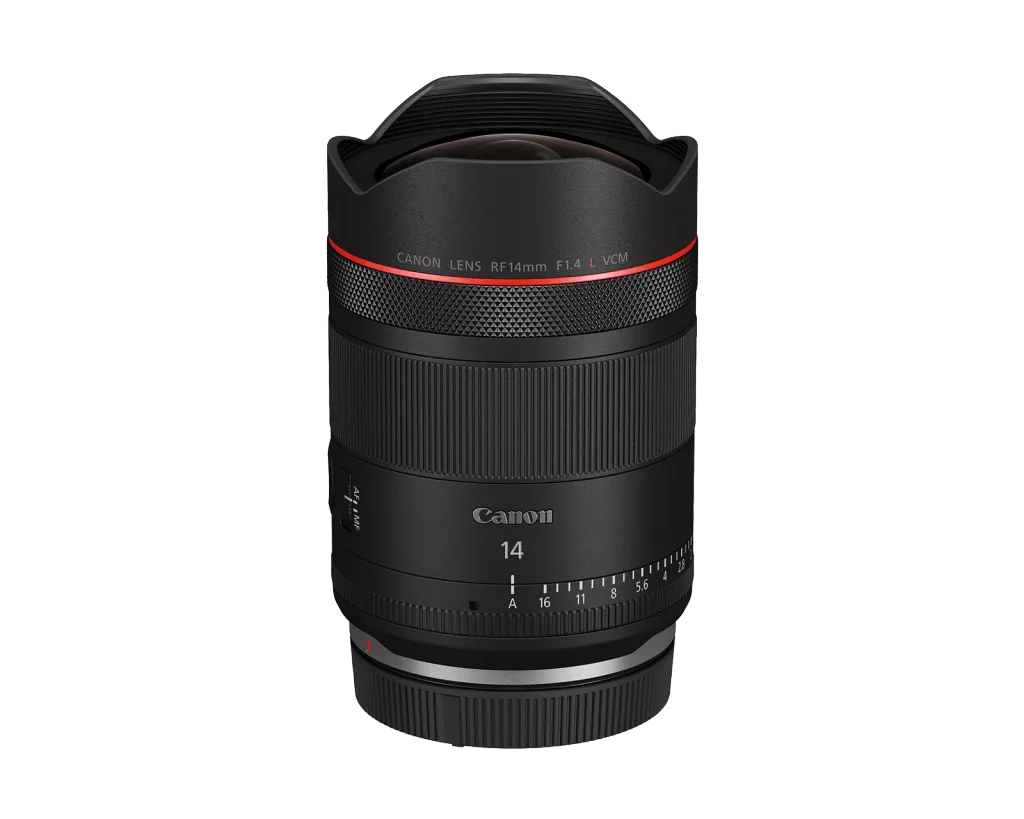
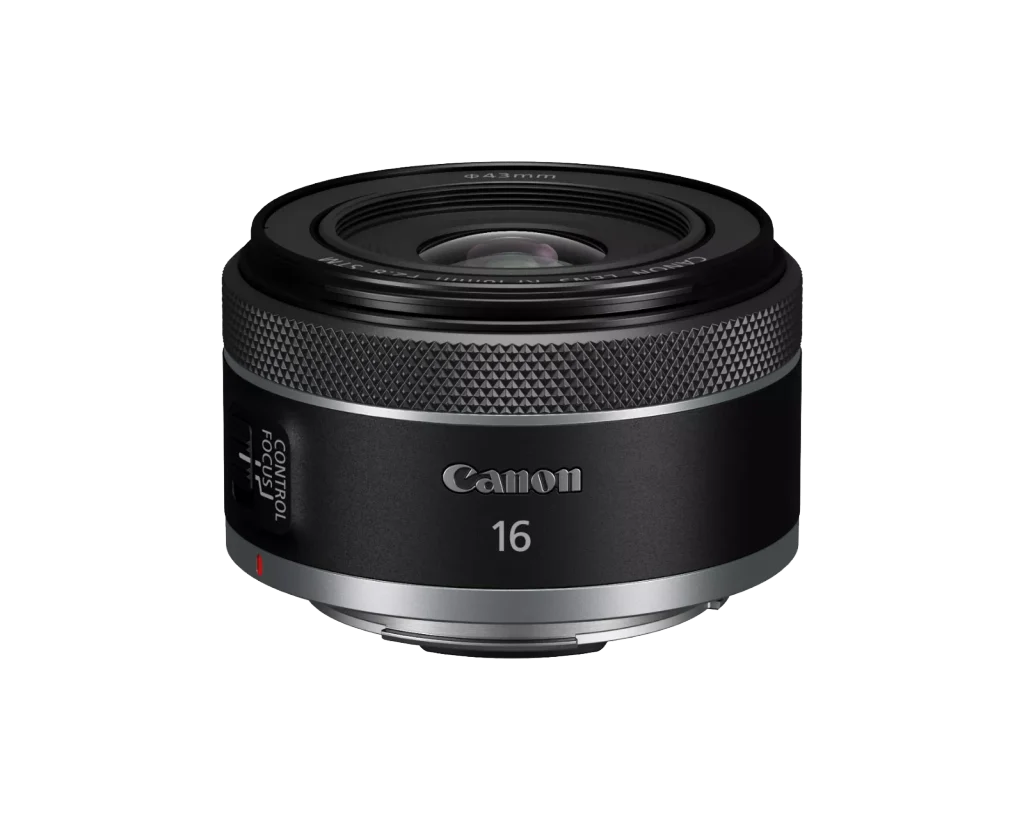
NIKON 14-16mm Prime
None
Sony 14-16mm Prime
Personally, I am not a fan of these ultra-wide prime lenses. I would consider them as luxury, not really a day to day lens.
Tamron, Sigma, and Zeiss also make lenses. Zeiss is a great lens and you will see them listed on Sony’s page. The Sigma Fine Art series is also a great set of lenses.
20mm (Dynamic Wide):Covers a wide field of view with minimal distortion. Great for sweeping landscapes, architecture, night skies, and low-light environmental shots.
24mm (The Storyteller): A classic wide focal length for documentary, street, and travel photography. It keeps subjects prominent while showing their environment naturally.
35mm (The Environmental Standard): Mirrors closely how human eye attention frames a scene. Ideal for street photography, environmental portraits, casual events, and documentary filmmaking
PREMIUM LENS OPTION
BASIC LENS OPTION
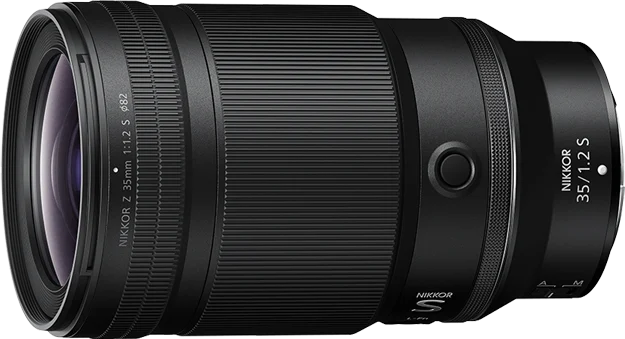
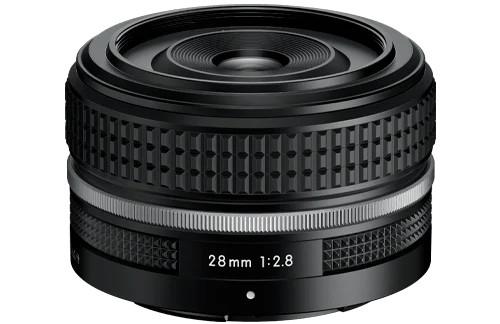
NIKKOR 20-35mm Wide Prime
NIKKOR Z 24mm f/1.8 S $1050 This would be my top choice for a Nikon wide prime because of the cost.
All these are good options. It really comes down to preference and price.
APS-C/DX Format Lenses Below
Sony 20-35mm Wide Prime
FE 20mm F1.8 G Full-frame Ultra-wide Prime G Lens $1000
FE 24mm F2.8 G Full-frame Wide-angle Prime G Lens $800
FE 24mm F1.4 GM Full-frame Wide-angle Prime G Master Lens $1600
FE 28 mm F2 Full-frame Wide-angle Prime Lens $500
FE 35mm F1.4 GM Full-frame Standard Prime G Master Lens $1500 35mm is my favorite and this would be my choice.
FE 35 mm F1.8 Full-frame Standard Prime Lens $800
All these are good options. It really comes down to preference and price.
APS-C CROPPED FORMAT LENSES
E 35mm F1.8 OSS APS-C Standard Prime Lens with Optical SteadyShot $600
Canon 20-35mm Wide Prime
RF35mm F1.4 L VCM $1650 I own a 35mm F1.5 in the EF mount. I love it.
Tamron, Sigma, and Zeiss also make lenses. Zeiss is a great lens and you will see them listed on Sony’s page. The Sigma Fine Art series is also a great set of lenses.
Natural Perspective: Subjects look proportionate, making it intuitive to frame scenes in chaotic or busy environments.
Subject Separation: Paired with wide apertures (f/1.2 to f/1.8), standard primes isolate subjects cleanly against soft, rendered backgrounds.
Everyday Versatility: Moves effortlessly between street photography, environmental portraits, food, travel, and documentary projects.
PREMIUM LENS OPTION
BASIC LENS OPTION
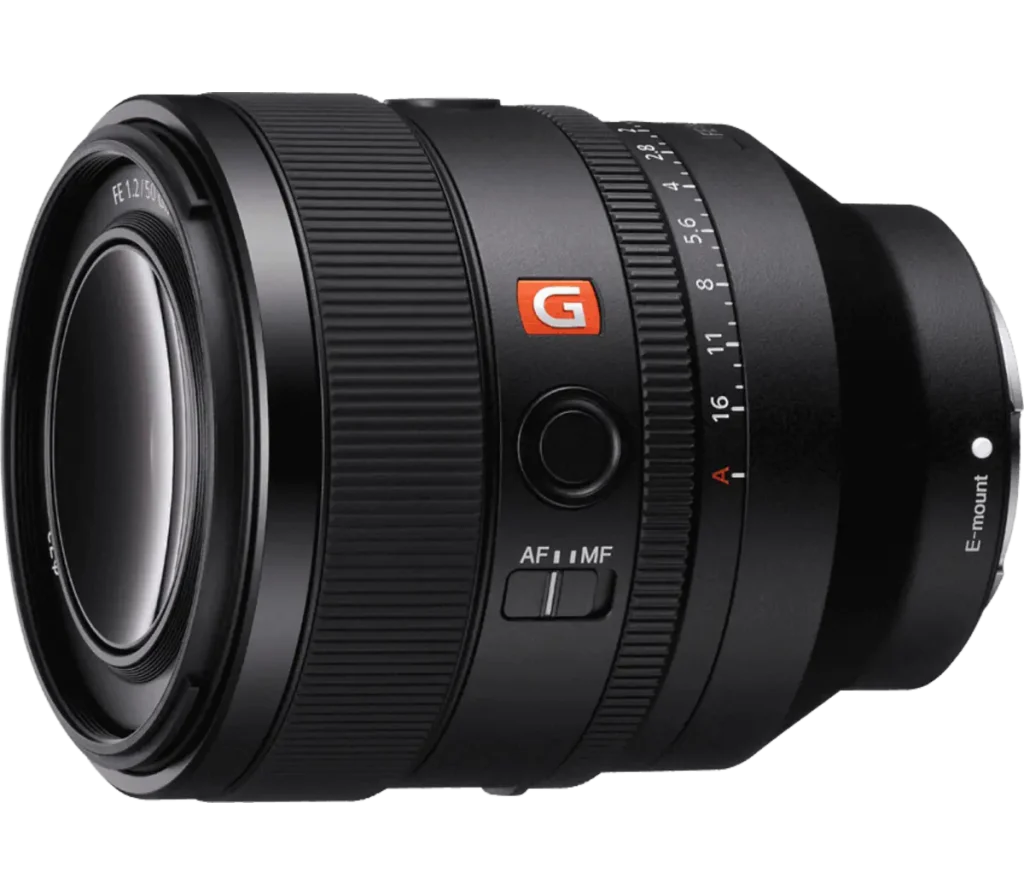
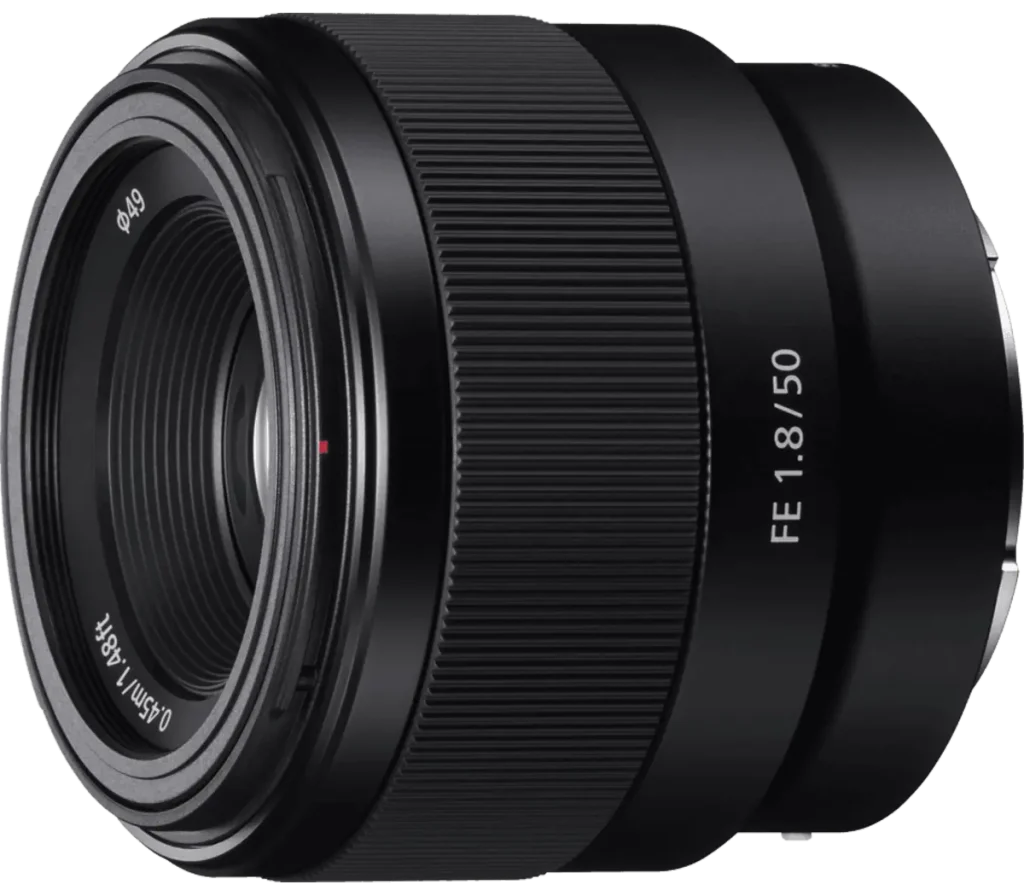
NIKON 40-50mm Standard Prime
NIKKOR Z 50mm f/1.2 S $2150 If you have disposable cash it would be a great lens.
NIKKOR Z 50mm f/1.4 $600 For the price this is a great choice.
NIKKOR Z 58mm f/0.95 S Noct $8,650 Yes, that is the correct price. Beyond Luxury!
Sony 40-50mm Standard Prime
FE 40mm F2.5 G Full-frame Standard Prime G Lens $800
FE 50mm F2.5 G Full-frame Standard Prime G Lens $700
FE 50mm F1.4 GM Full-frame Large-aperture G Master Lens $1400
I think the 40mm and 50mm f2.5 lenses are overpriced. I would get the 50mm F1.4
Canon 40-50mm Standard Prime
RF45mm F1.2 STM $470 This is a great price on this lens for a F1.2
RF50mm F1.4 L VCM $1550 I have a 50 1.2 and love it.
Tamron, Sigma, and Zeiss also make lenses. Zeiss is a great lens and you will see them listed on Sony’s page. The Sigma Fine Art series is also a great set of lenses.
Natural Perspective: Subjects look proportionate, making it intuitive to frame scenes in chaotic or busy environments.
Subject Separation: Paired with wide apertures (f/1.2 to f/1.8), standard primes isolate subjects cleanly against soft, rendered backgrounds.
Everyday Versatility: Moves effortlessly between street photography, environmental portraits, food, travel, and documentary projects.
PREMIUM LENS OPTION
BASIC LENS OPTION
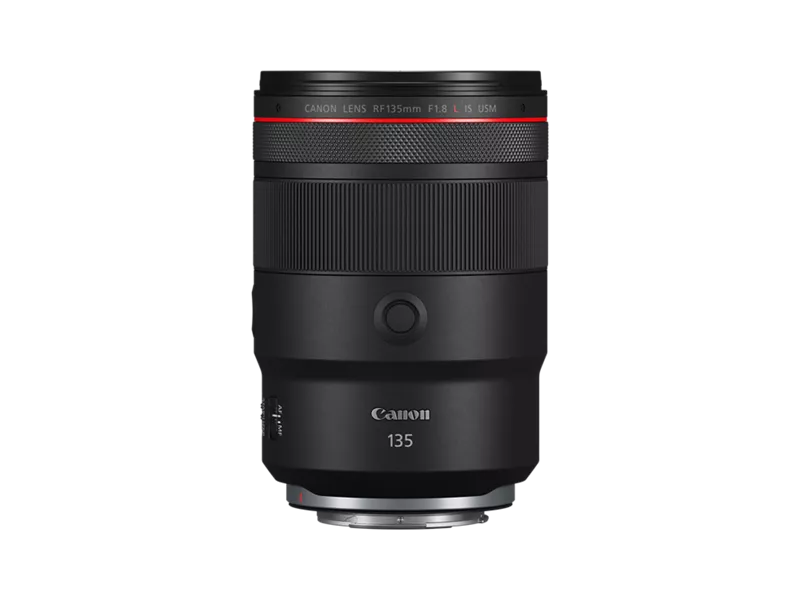
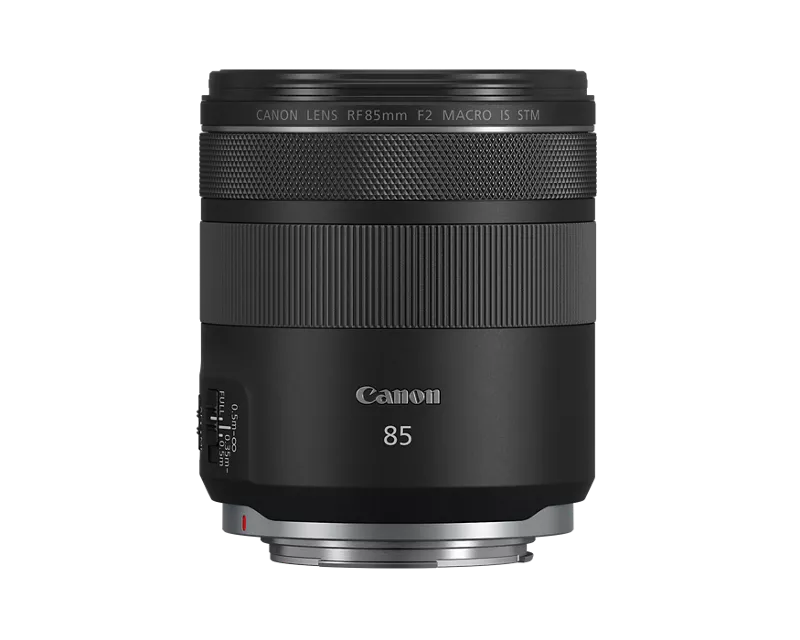
NIKON 85-135mm TelephotoPrime
NIKKOR Z MC 105mm f/2.8 VR S $1,050
NIKKOR Z 135mm f/1.8 S Plena $2,500
All these are good options. It really comes down to preference and price.
Sony 85-135mm Telephoto Prime
Sony FE 85 mm F1.4 GM Full-frame Telephoto Prime G Master Lens $1,500
Sony FE 135mm F1.8 GM Full-frame Telephoto Prime G Master Lens $2,250
All these are good options. It really comes down to preference and price.
Canon 85-135mm Telephoto Standard Prime
Canon RF85mm F1.4 L VCM $1,650
Canon RF85mm F1.2 L USM $3,100
Canon RF85mm F1.2 L USM DS $3,400
Canon RF100mm F2.8 L Macro IS USM $1,350 Great bang for the buck, plus it is macro.
All these are good options. It really comes down to preference and price.
Tamron, Sigma, and Zeiss also make lenses. Zeiss is a great lens and you will see them listed on Sony’s page. The Sigma Fine Art series is also a great set of lenses.
Exotic & Fast Primes (300mm–600mm+ at f/2.8 to f/4): Flagship, professional-grade fixed lenses with wide maximum apertures. They deliver superior low-light performance, ultra-fast autofocus, and aggressive background blur, but come with heavy builds and premium price tags.
Lightweight / Compact Primes (400mm–800mm at f/5.6 to f/11): Fixed focal length lenses designed for portability. Using specialized optical elements or modest fixed apertures, they offer massive reach in lightweight packages suitable for hand-held shooting.
PREMIUM LENS OPTION
BASIC LENS OPTION
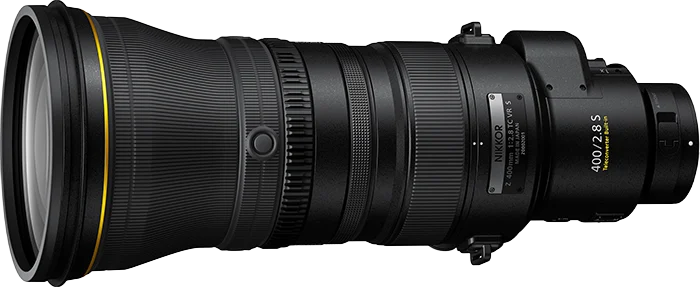
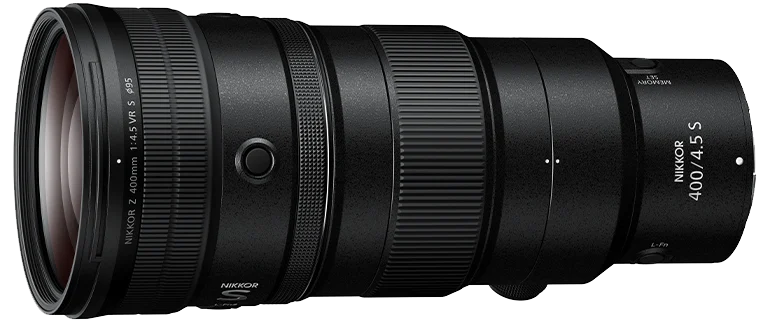
NIKON 300+mm Super Telephoto Prime Lenses
NIKKOR Z 600mm f/6.3 VR S $$5,200
NIKKOR Z 600mm f/4 TC VR S $15,200
NIKKOR Z 800mm f/6.3 VR S $7,000
My choice for Nikon specific is the 400mm F2.8 but the NIKKOR Z 400mm f/4.5 VR S is good if you can deal with the aperture.
Sony 300+mm Super Telephoto Prime Lenses
Sony FE 300mm F2.8 GM OSS Full-frame Telephoto Prime G Master lens $6,600 For less than half the price or the 400mm a great option.
Sony FE 400 mm F2.8 GM OSS Full-frame Super-telephoto Prime G Master Lens with Optical SteadyShot $13,000 Best choice is you can afford it. You need the 2.8 for sports at night.
Canon 300+mm Super Telephoto Prime Lenses
Canon RF400mm F2.8 L IS USM $13,400 Best choice is you can afford it. You need the 2.8 for sports at night.
Canon RF600mm F11 IS STM $929 The aperture is just to high. Save your money for something better.
Canon RF600mm F4 L IS USM $14,500
Canon RF800mm F11 IS STM $1,200 The aperture is just to high. Save your money for something better.
Canon RF800mm F5.6 L IS USM Lens $18,800 Very specialized uses. Great for wildlife if you have very deep pockets.
Tamron, Sigma, and Zeiss also make lenses. Zeiss is a great lens and you will see them listed on Sony’s page. The Sigma Fine Art series is also a great set of lenses.
PREMIUM LENS OPTION
BASIC LENS OPTION
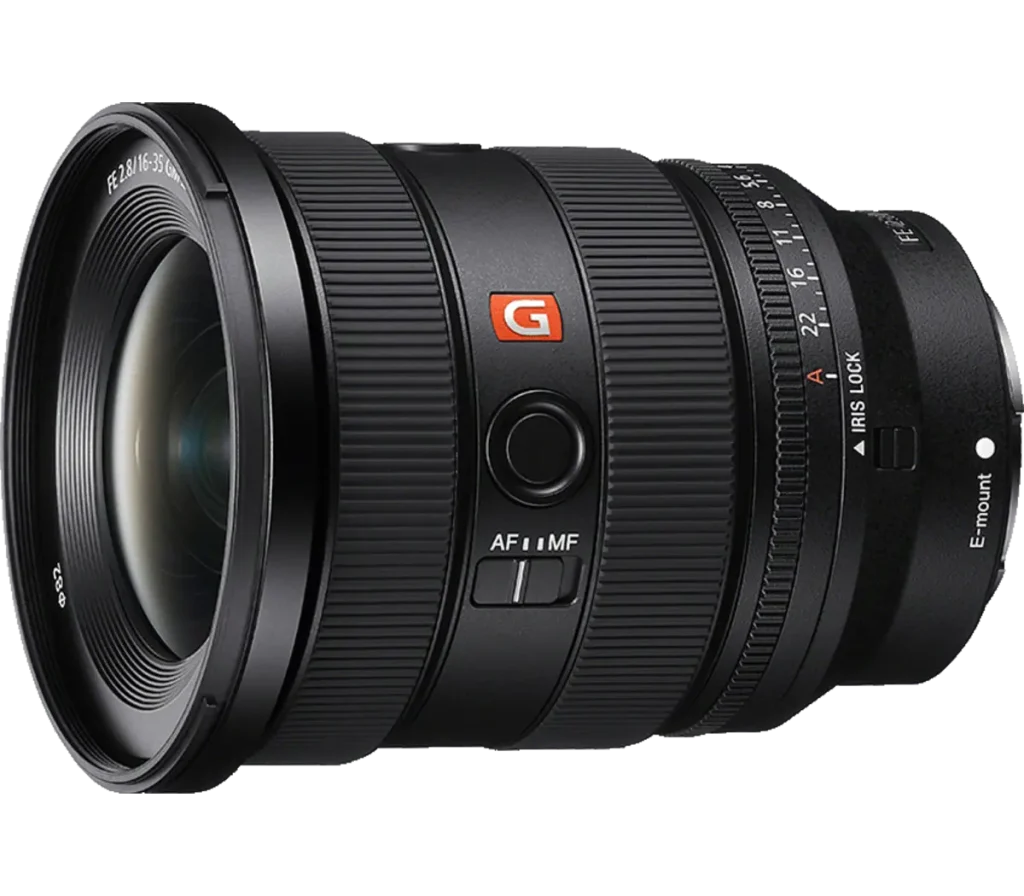
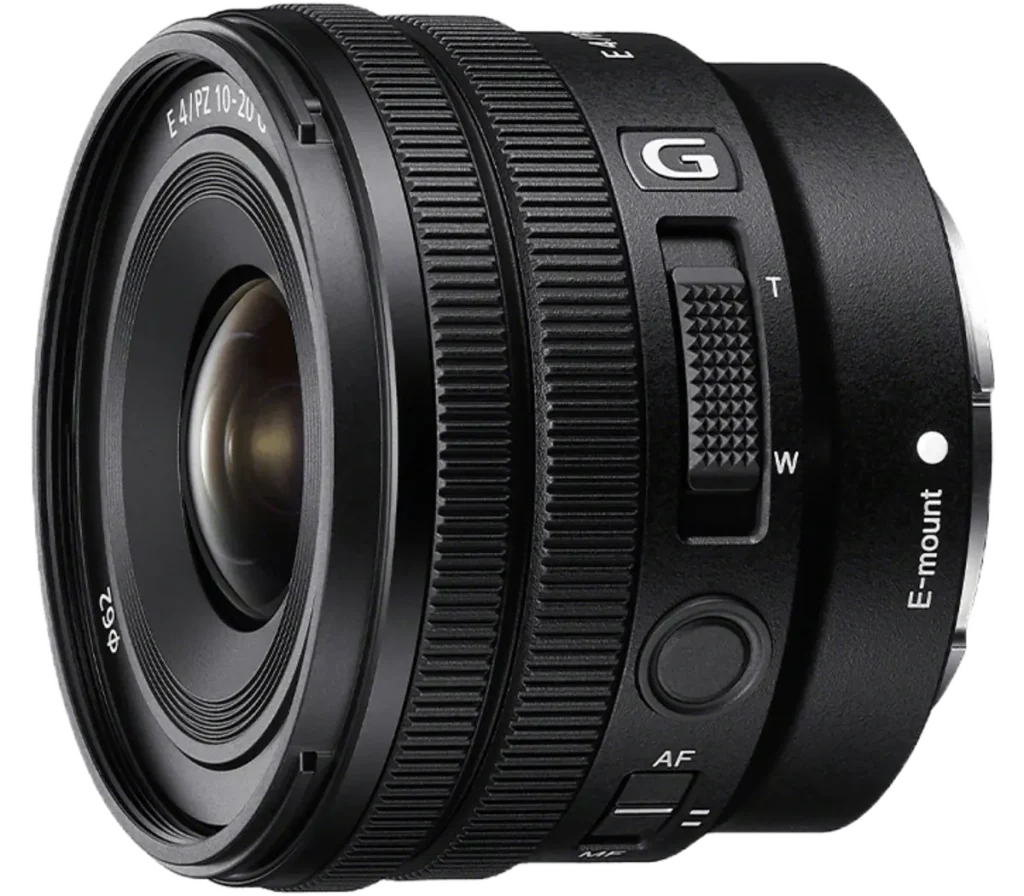
NIKON Ultra Wide Angle Zoom Lenses
NIKKOR Z DX 12-28mm f/3.5-5.6 PZ VR $370
NIKKOR Z 14-24mm f/2.8 S $2,400 Specialty lens than is not needed for most beginners.
NIKKOR Z 17-28mm f/2.8 $1,200 A bette price and more traditional focal length than the 14-24mm
Below are APS-C/DX Sensor Lenses
NIKKOR Z DX 16-50mm f/3.5-6.3 VR $330 Wide variable aperture is the issue.
NIKKOR Z DX 16-50mm f/2.8 VR $899 Better choice than the 16-50mm above. I am not of fan of wide angle to standard zooms.
NIKKOR Z DX 18-140mm f/3.5-6.3 VR $680 The appeal is the focal length range, and one of the reason I would say do not buy.
Sony Ultra Wide Angle Zoom Lenses
Sony FE PZ 16-35mm F4 G Full-frame Constant-Aperture Wide-angle Power Zoom G Lens $1,300 If you can’t afford the high price of the 2.8 a good choice.
Sony FE 12-24mm F2.8 GM Full-frame Ultra-wide Zoom G Master Lens $3,250 Specialty lens than is not needed for most beginners.
Sony FE 12-24mm F4 G Full-frame Ultra-wide Zoom G Lens $2,300
Sony FE 16-25mm F2.8 G Compact, Lightweight Wide Zoom Lens $1,300 Good choice if you use a 35mm fixed.
Canon Ultra Wide Angle Zoom Lenses
Canon RF10-20mm F4 L IS STM $2,600 Okay, if you have a need for specialty lens.
Canon RF20-50mm F4 L IS USM PZ Lens $1,400
Canon RF15-30mm F4.5-6.3 IS STM $640 Wider than beginners need and high variable aperture. Save your money!
Canon RF14-35mm F4 L IS USM $1,500 Okay, if you need something wide. Better option for most than the 10-20mm.
Canon RF15-35mm F2.8 L IS USM $2,600 Best option, but you pay the price.
Below are APS-C Sensor Lenses
Canon RF-S10-18mm F4.5-6.3 IS STM $370 Wider than beginners need and high variable aperture. Save your money!
Canon RF-S14-30mm F4-6.3 IS STM PZ $369 Wider than beginners need and high variable aperture. Save your money!
Tamron, Sigma, and Zeiss also make lenses. Zeiss is a great lens and you will see them listed on Sony’s page. The Sigma Fine Art series is also a great set of lenses.
PREMIUM LENS OPTION
BASIC LENS OPTION
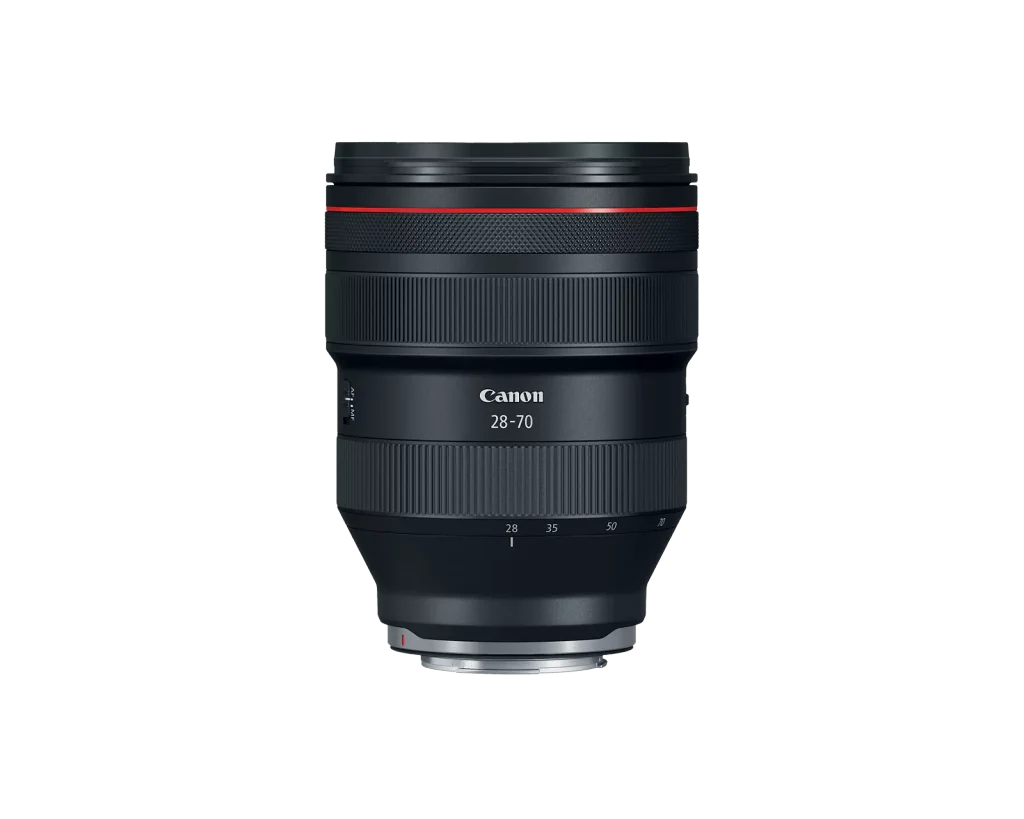
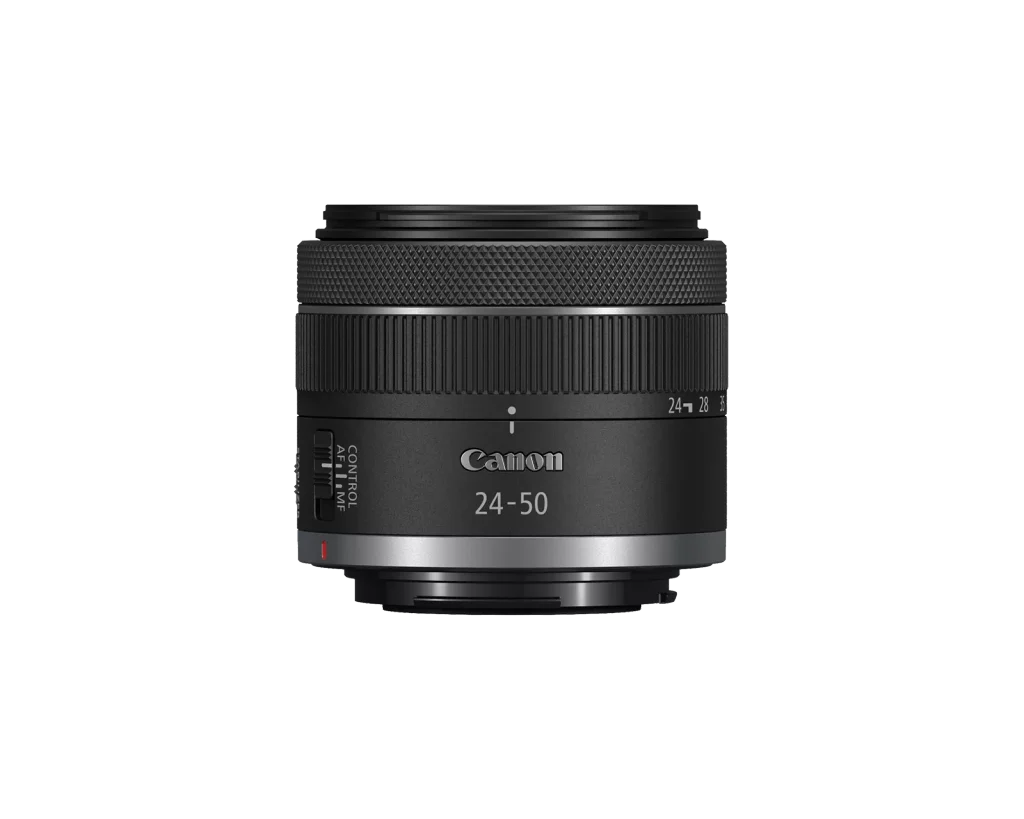
NIKON Wide to Standard Zoom Lenses
NIKKOR Z 24-105mm f/4-7.1 $550 I would stay away from large variable apertures.
NIKKOR Z 24-50mm f/4-6.3 $450 A high price for a variable aperture. A 50mm would be a better option.
NIKKOR Z 24-200mm f/4-6.3 VR $950 Too wide of zoom range, and variable aperture.
NIKKOR Z 24-70mm f/2.8 S II $2,800 My 2nd favorite zoom, but the price is getting high.
NIKKOR Z 24-70mm f/4 S $1,050 You lose a stop, but the price is right.
NIKKOR Z 24-120mm f/4 S $1,100 A good option for a travel lens if you own one camera.
NIKKOR Z 28-75mm f/2.8 $1,050 More reasonably price mid-ranged zoom with a F2.8
NIKKOR Z 28-135mm f/4 PZ $2,600 I am not a fan of the zoom range, or the price for an F 4 lens.
Sony Wide to Standard Zoom Lenses
Sony FE PZ 16-35mm F4 G Full-frame Constant-Aperture Wide-angle Power Zoom G Lens $1,300 If you can’t afford the high price of the 2.8 a good choice.
Sony FE 12-24mm F2.8 GM Full-frame Ultra-wide Zoom G Master Lens $3,250 Specialty lens than is not needed for most beginners.
Sony FE 12-24mm F4 G Full-frame Ultra-wide Zoom G Lens $2,300
Sony FE 16-25mm F2.8 G Compact, Lightweight Wide Zoom Lens $1,300 Good choice if you use a 35mm fixed.
Canon Wide to Standard Zoom Lenses
Canon RF24-105mm F2.8 L IS USM Z $3,300 The appeal is for travel photography or someone with only one camera. For that use it is expensive, but good choice. I tend to stay away from extended range zooms.
Canon RF24-105mm F4-7.1 IS STM $460 I can’t think of a reason to buy this.
Canon RF24-105mm F4 L IS USM $1,400 Great choice for someone who wants just a single lens, and $2000 cheaper than the F2.8
Canon RF24-240mm F4-6.3 IS USM $1,050 Stay Away!
Below are APS-C Sensor Lenses
Canon RF-S18-45mm F4.5-6.3 IS STM $350 Any fixed lens is a much better choice.
Canon RF-S18-150mm F3.5-6.3 IS STM $570 If you get a basic camera and want one lens for much better images than a phone. This is a good choice if you do not plan to upgrade.
Tamron, Sigma, and Zeiss also make lenses. Zeiss is a great lens and you will see them listed on Sony’s page. The Sigma Fine Art series is also a great set of lenses.
PREMIUM LENS OPTION
BASIC LENS OPTION
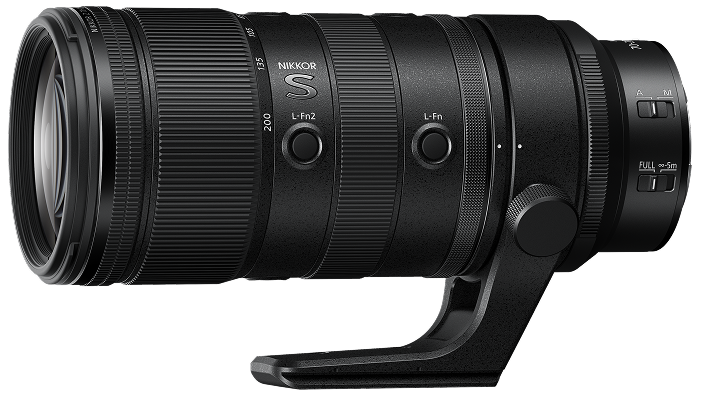
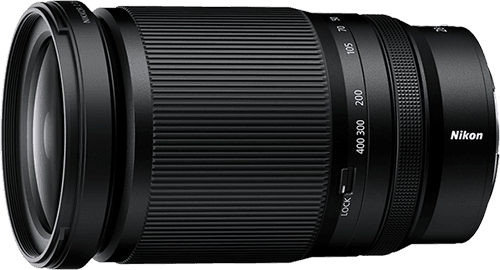
NIKON Telephoto Zoom Lenses
NIKKOR Z 70-180mm f/2.8 $1300 Not the 70-200 but for the price a great option for most.
NIKKOR Z 100-400mm f/4.5-5.6 VR S $2,800 Zoom range looks great, but a slow expensive lens.
NIKKOR Z 180-600mm f/5.6-6.3 VR $2,200 Marketed for wildlife because of the zoom. I get it but too slow.
Below are APS-C/DX Sensor Lenses
NIKKOR Z DX 50-250mm f/4.5-6.3 VR $410 Much better options, do not be fooled but zoom length.
Sony Telephoto Zoom Lenses
Sony FE 50-150mm F2 GM World’s first1 lens with a maximum focal length of 150 mm and F2 $4,000 Unique lens. I have never seen a 50-150mm. It is an F2 but comes at a price. Great if it fits you needs.
Sony FE 70-200 mm F2.8 GM OSS II Full-frame Telephoto Zoom G Master Lens with Optical SteadyShot $3,100 I think this is better choice for most.
Sony FE 70-300mm F4.5-5.6 G OSS Full-frame Telephoto Zoom G Lens with Optical SteadyShot $1,400 Buy the 70-200 F4 below. Much better option.
Sony FE 70-200mm F4 Macro G OSS II Full-frame compact telephoto zoom $1,700 Great buy for the money over the fixed RF2.8 lenses.
Sony E 70–350 mm F4.5–6.3 G OSS APS-C Telephoto Zoom G Lens with Optical SteadyShot $1,000 Buy the 70-200mm F4 instead!
Below are APS-C Sensor Lenses
Sony E 55–210 mm F4.5-6.3 OSS APS-C Telephoto Zoom Lens with Optical SteadyShot $330 I would not waste the money on this.
Canon Telephoto Zoom Lenses
Canon RF70-200mm F4 L IS USM $1,700 A great choice if you can’t afford the 2.8
Canon RF70-200mm F2.8 L IS USM $3,000 Good but I prefer the Z.
Canon RF100-300mm F2.8 L IS USM $10,600 If you do not need 400mm this a great option over the 300mm if you can afford it.
Canon RF200-800mm F6.3-9 IS USM $2,050 Attractive zoom for wildlife, but way too slow to be useful out of bright light.
Canon RF75-300mm F4-5.6 $240 I had this with my Nikon F4. Save your money!
Tamron, Sigma, and Zeiss also make lenses. Zeiss is a great lens and you will see them listed on Sony’s page. The Sigma Fine Art series is also a great set of lenses.