The photography field guide / October 2026
Black & white.
Every film has a different story.
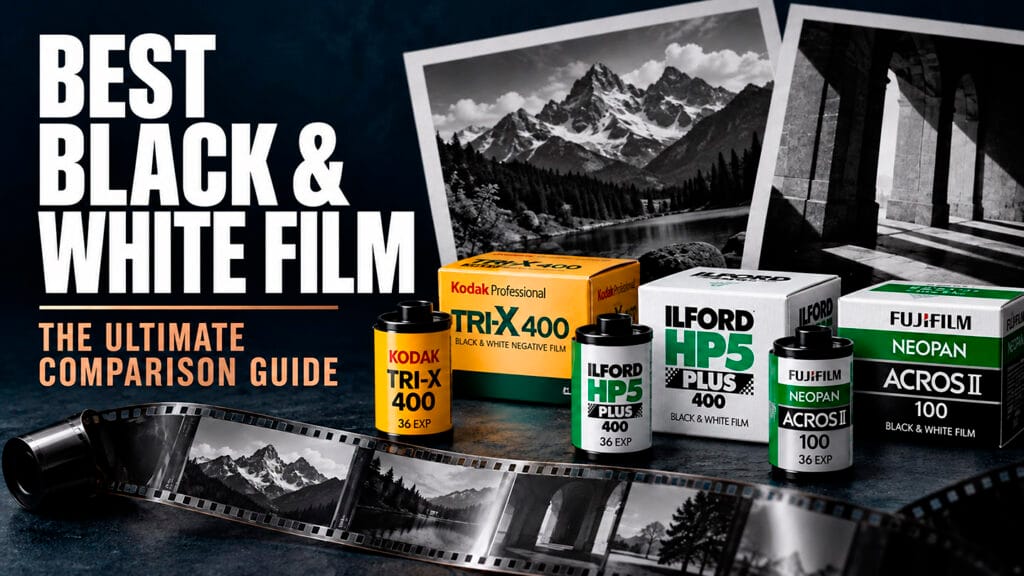
Black-and-white film is a choice about light
Two films can photograph the same street and tell different stories. One keeps a pale sky and soft skin; another turns red brick almost black. One makes grain part of the picture; another rewards a large print with remarkably fine detail. Choosing well starts with the picture you want, the light you have and the processing you can actually obtain.
What this guide covers
This snapshot compares principal film products and families, then maps additional regional labels, specialist conversions and instant materials. It focuses on still photography: 35mm, 120, sheets and smaller legacy formats. Cinema stocks appear when sold for still cameras. It is a broad current-market guide, not a guarantee that every retailer has every format or that every obscure private label is represented.
What “available” means
Catalog listed means a manufacturer or specialist seller currently lists the product; it does not prove continuous production or local stock. Limited, sold-out and batch-sensitive items are identified where known. Regional products and uncertain listings sit in a separate directory. Always check the exact version, expiry date, format and seller before ordering. A familiar name may outlive its original emulsion.
How to read the comparisons
Rendering descriptions are practical starting points, not results from a controlled laboratory test. Developer, exposure, agitation, enlargement, scanner sharpening and editing can outweigh small differences between films. Product photographs show packaging, not a simulated film look. Format listings summarize common catalog options rather than every sheet size and special-order run.
Quick picks: which black-and-white film should you choose?
One dependable first film
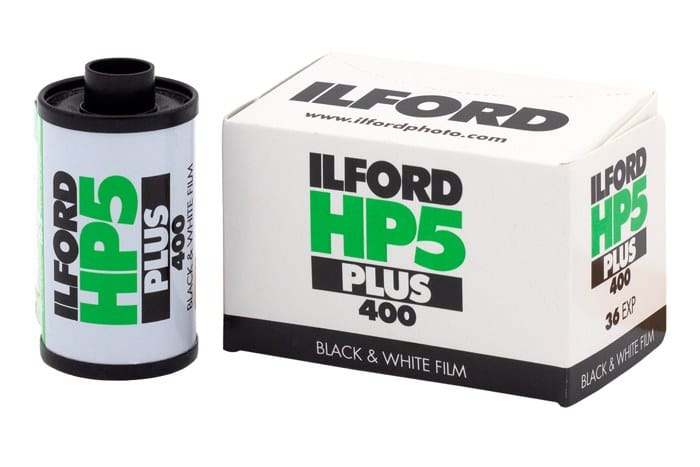
Ilford HP5 Plus
Flexible 400-speed negative; widely documented processing. Kentmere 400 for economy; XP2 for C-41 labs.
Fine-grain daylight work
Delta 100 / EKTAPAN 100 (TMax) / Acros II
Fine detail with sufficient light and careful technique. Pan F 50 for slower traditional-grain work. If you use Ektapan also know as TMAX use the T-Max developer for better results.
Fine grain at ISO 400
Delta 400 / EKTAPAN 400 (use TMAX developer)
Handheld speed with a relatively clean print. HP5 or Tri-X when visible texture is welcome.
Classic documentary texture
Tri-X 400 / HP5 Plus
Traditional grain and flexible tonal control. Double-X for a cinema-derived alternative. Tri-X is a popular film but I have never liked it.
Lowest-cost learning
Kentmere / Fomapan
Spend more frames learning one repeatable workflow. Compare total delivered and processed cost. You get what you pay for.
Very low light
Delta 3200 / P3200
High-speed films designed for extended development. Delta is the principal 120 choice here.
Simple color-lab processing
Ilford XP2 Super
Black-and-white image through standard C-41 chemistry. Confirm scans are neutral and negatives returned. Scans better than traditional B&W film.
Infrared-style landscapes
Rollei Infrared / Ilford SFX
Extended spectral response changes foliage and skies. A suitable filter and exposure tests are essential.
Red-darkening tonal effects
Ortho Plus / Ferrania Orto / Foma Ortho
Different color-to-gray translation from pan film. Test skin, lips, foliage and red signs.
B&W slides
ADOX Scala 50 / Fomapan R100
Choose a positive-transparency workflow. Arrange reversal processing before buying.
Extreme resolution
ADOX CMS 20 II + ADOTECH
A dedicated film-and-developer system. Slow speed and process discipline are the trade-off.
ISO, EI and the 3200 misunderstanding
ISO is a standardized sensitivity measurement. Exposure index, or EI, is the number you set on the meter for your chosen workflow. A film marketed for EI 3200 need not have an ISO of 3200: Delta 3200 has an ISO rating of 1000 in the specified standard process, while older T-MAX P3200 data give about ISO 800 in specified developers. Follow the current box and data sheet. Rating ISO 400 film at EI 1600 gives two stops less exposure; longer development increases density and contrast but cannot recreate unrecorded shadow detail.
Grain is only one part of sharpness
Traditional-grain, T-Grain and Ilford core-shell films offer different balances; no crystal technology guarantees the best photograph. Acutance describes edge contrast, while resolution describes separable detail. A sharp-looking, grainy image can have less fine detail than a smoother one. Camera shake, focus, lens flare and scanning can erase any theoretical advantage. Compare equal-sized final prints, not differently enlarged screen crops.
Panchromatic, orthochromatic and extended red
Panchromatic films respond across much of the visible spectrum and are the usual starting point. Orthochromatic films have little or no red sensitivity, so reds often render unusually dark. Orthopanchromatic responses sit between familiar categories; consult the actual curve. Extended-red and infrared-sensitive films can render foliage and skies differently with suitable filtration. They do not see heat. A dark filter does not turn an ordinary film into infrared film.
Choose the process before the package
Most films here require conventional B&W negative processing. XP2 uses C-41 color-negative chemistry. Scala and R100 are options for B&W reversal, which is different from E-6 color-slide processing. CMS 20 is best approached as a dedicated developer system. Paper-backed emulsions, double-sided X-ray materials and technical stocks may need special handling. Tell a lab the exact stock before sending an unusual roll.
35mm versus 120 versus sheets
A larger negative generally needs less enlargement for the same print size, often reducing apparent grain. That makes format a bigger decision than tiny differences between similar stocks. 120 and 220 share nominal film width but differ in length and backing; the camera must support the chosen roll. 620 uses a different spool from 120. 127 and 110 need their own cameras. Sheet dimensions and holder compatibility must match exactly.
Developer choice changes the comparison
D-76/ID-11-type workflows are useful reference starting points; a fine-grain solvent developer, high-acutance developer or speed-oriented developer can shift the result. Dilution, time, temperature and agitation all matter. Start with the maker’s current instructions for the specific film and developer. There is no universal push-time percentage, and a development chart for a similarly named older product may be wrong for a new batch.
Reciprocity and long exposures
At long exposure times, some films need additional exposure beyond the meter reading, sometimes with contrast consequences. The threshold and correction are film-specific. Acros II is especially attractive for long-exposure work, but use its current data sheet. Do not apply one generic correction to Fomapan, HP5 and Acros. Record metered time, actual time and processing so the next attempt is repeatable.
Filters are creative exposure decisions
A yellow filter can modestly separate clouds from blue sky; orange and red filters often make the change stronger on suitable panchromatic film. A green filter can alter foliage and skin relationships. Effects depend on spectral sensitivity, and red filtration on an ortho film may remove nearly all useful light. Apply the recommended filter factor, check metering limitations and bracket unfamiliar infrared combinations.
HP5 Plus versus Tri-X 400
Both are strong all-purpose traditional-grain films. Start with HP5 if its price, local availability or familiar development guidance makes a consistent workflow easier. Start with Tri-X if you already like its grain in your prints or have an established processing method. The popular claim that one is always soft and the other always contrasty ignores exposure, developer and printing. Shoot them at the same EI, process appropriately and compare matched output.
Delta 400 versus EKTAPAN/T-MAX 400
Both suit photographers who need 400-speed flexibility with relatively fine grain. They are sensible candidates for portraits and larger 35mm prints. The useful decision is which gives the shadow placement, highlight control and scan you prefer in your own process. Do not choose solely from an aggressively sharpened online sample. Kodak’s current EKTAPAN branding and remaining T-MAX stock make exact package identification important.
FP4 versus Delta 100 versus Pan F
FP4 is the practical traditional-grain daylight all-rounder. Delta 100 is a fine-detail choice with modern crystal technology. Pan F gives very fine traditional grain but loses a stop against ISO 100 and more against FP4. In moving light, the extra usable shutter speed can matter more than microscopic grain. In a controlled studio or on a tripod, Pan F becomes easier to justify.
Kentmere versus Fomapan
These are useful families for learning and repeatable bulk shooting. Compare corresponding speeds rather than treating all budget films as interchangeable. Test reciprocity, handling, shadow detail and your developer’s results. Kentmere 200 adds a relatively contrasty middle-speed option; Fomapan 200 has its own emulsion behavior. A slightly cheaper roll is not cheaper if an unfamiliar process wastes a whole session.
Delta 3200 versus P3200 versus pushed 400
For severe low light, begin by testing a dedicated high-speed film at EI 1600 or 3200 rather than assuming any ISO 400 stock can produce the same shadows. Delta 3200 also serves 120 cameras. P3200 serves 35mm. Pushing HP5 or Tri-X can be an effective aesthetic choice when the scene has enough useful light, but increased contrast and grain do not equal newly captured detail.
XP2 versus conventional silver B&W
XP2 is the easiest recommendation when access to C-41 processing decides the question. Its dye image often scans smoothly, and compatible infrared-based dust removal can be useful. Traditional silver B&W generally requires that automated infrared dust removal be disabled and offers a broad choice of B&W developers. Pick the process you can use consistently; neither route prevents excellent photographs.
P30 Cinema versus P30 MkII versus P33
Treat the P30 version as part of the film’s name. Ferrania describes a meaningful spectral and tonal change from the older cinema-style P30 to MkII. P33 adds a faster, ISO 160 alternative. These are more useful distinctions than the word “cinematic.” If a retailer shows old packaging beside a new description, ask which product ships.
Ortho versus infrared: opposite experiments
Orthochromatic film suppresses red sensitivity; extended-red and infrared materials reach farther in the other direction. Ortho can darken red lips and signs. A filtered infrared-capable stock can brighten foliage dramatically. The two approaches are not interchangeable vintage looks. Select the spectral behavior for the subject, then solve exposure and processing.
Brand name versus underlying emulsion
The market includes manufacturers, finishers, brands, loaders and converters. A different cassette does not prove a different coating. Conversely, similar specifications do not prove identical film. Group documented Double-X offerings as a family, but do not declare private-label stocks identical from rumor. Support, spool quality, DX coding, roll length and batch consistency can still justify choosing one seller over another.
65 detailed film profiles
Search a name, speed, format, process or photographic goal.
65 film profiles
Ilford HP5 Plus
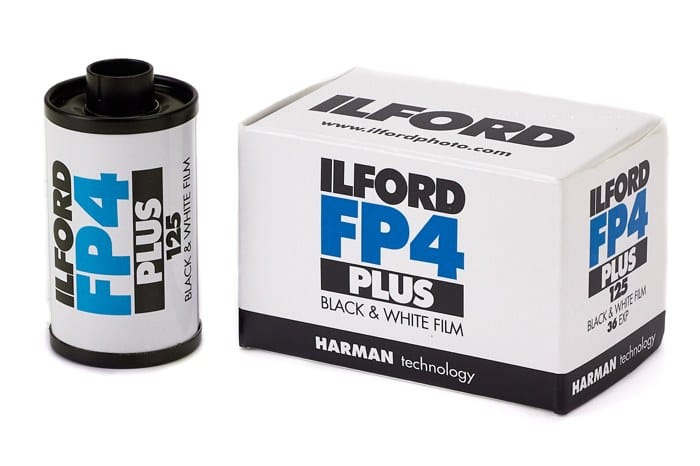
Ilford FP4 Plus
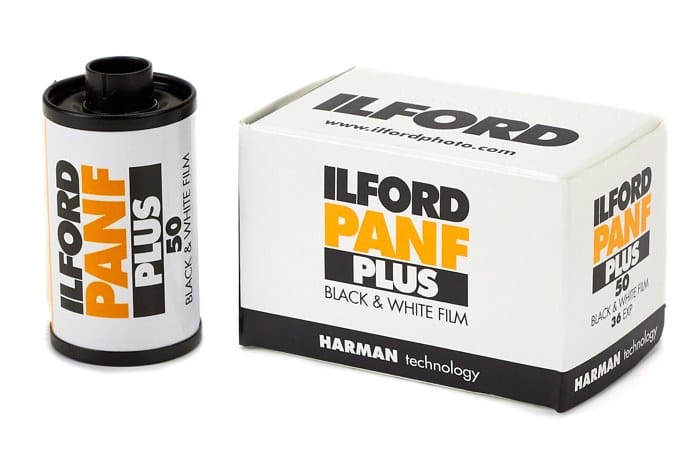
Ilford Pan F Plus
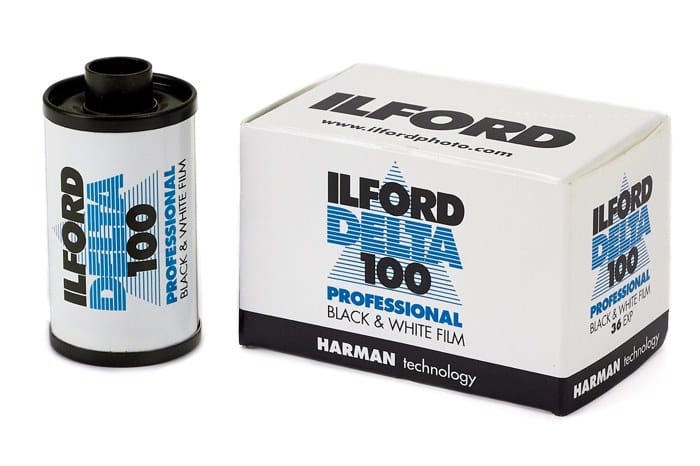
Ilford Delta 100
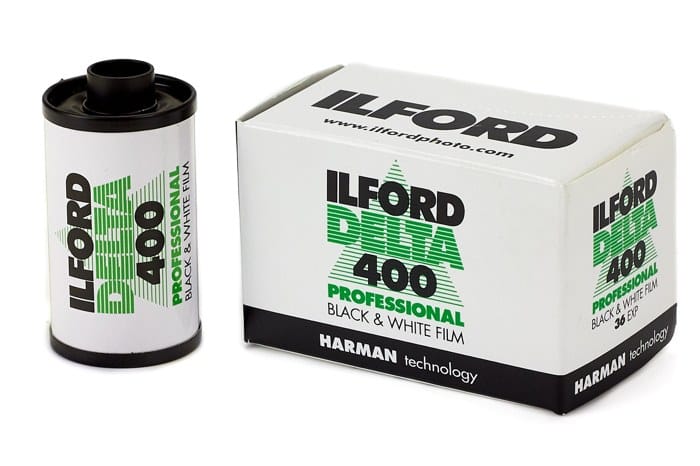
Ilford Delta 400
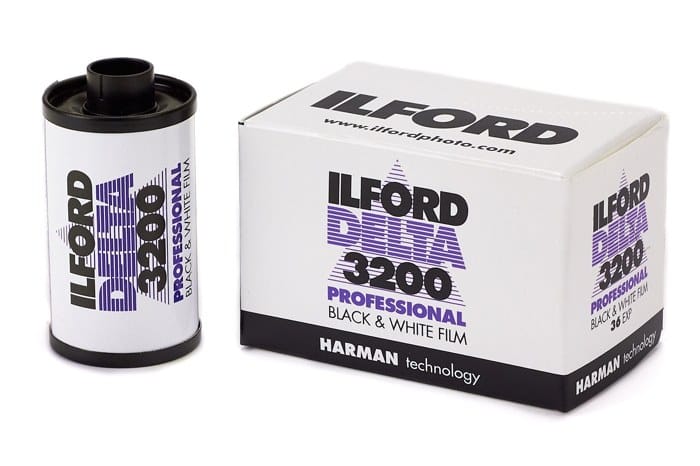
Ilford Pan F Plus
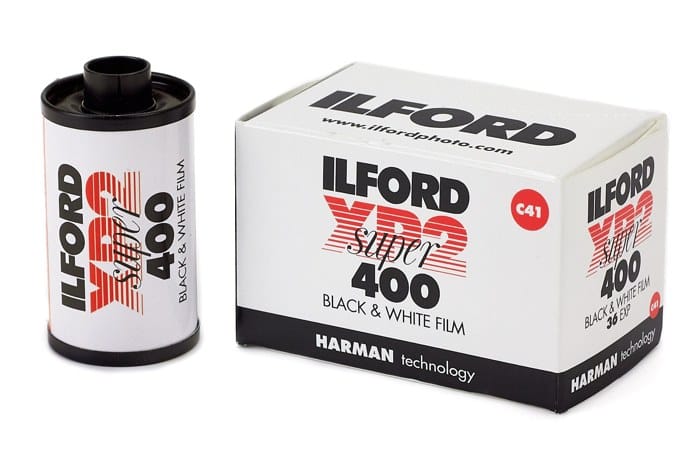
Ilford XP2 Super
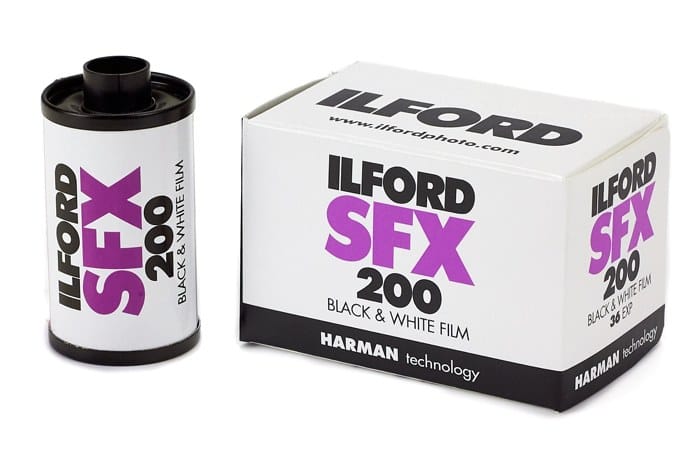
Ilford SFX 200
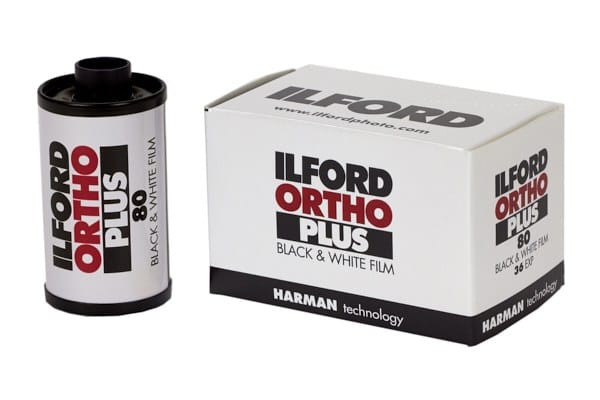
Ilford Ortho Plus
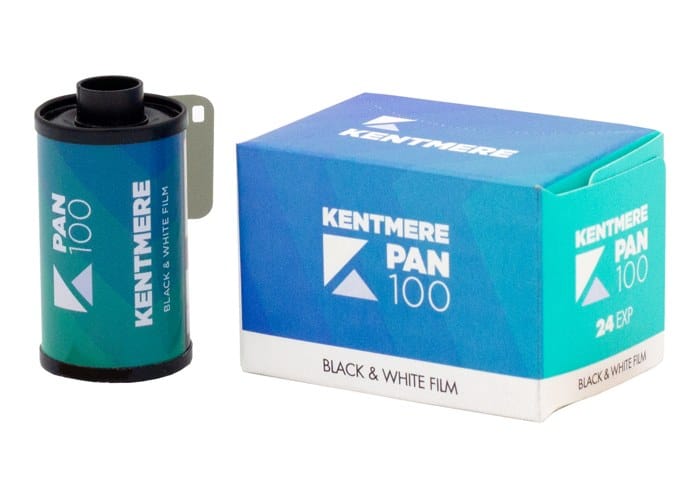
Kentmere PAN 100
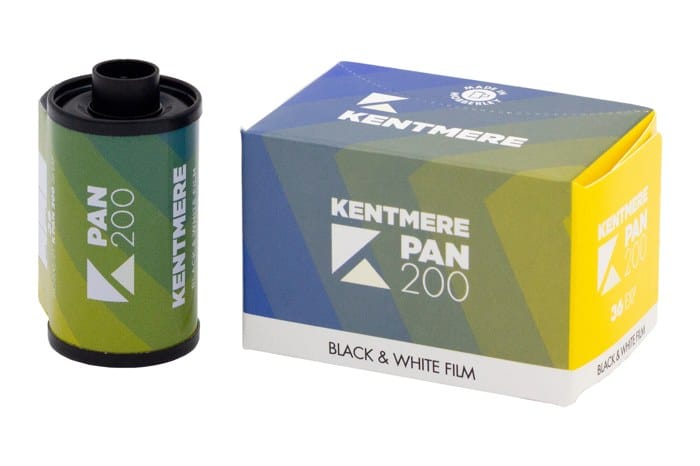
Kentmere PAN 200
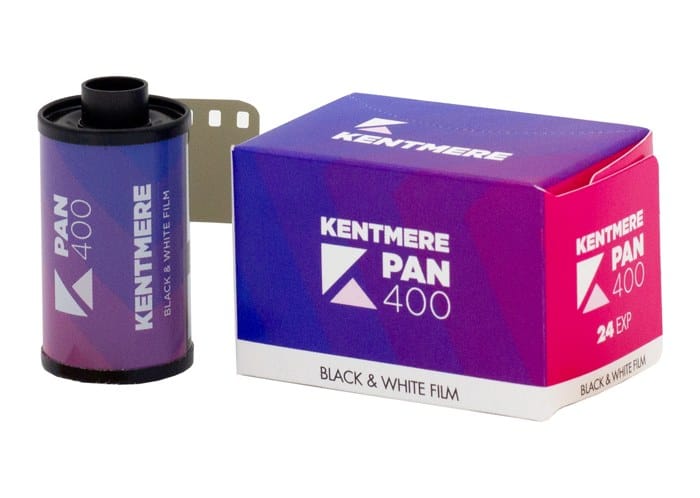
Ilford Ortho Plus
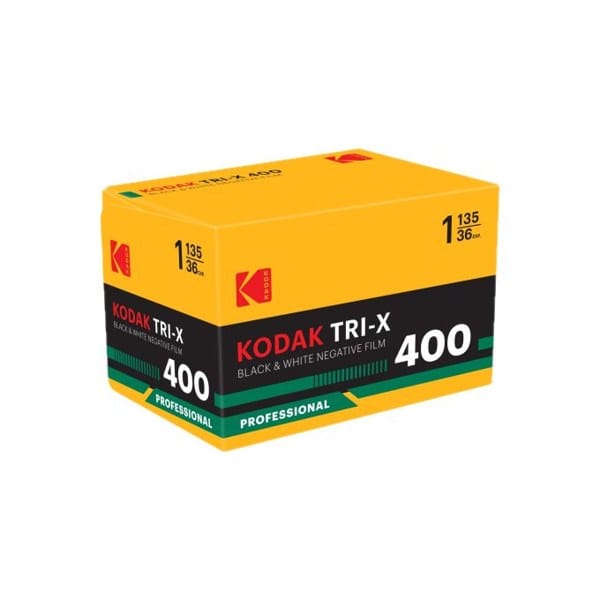
Kodak Tri-X 400
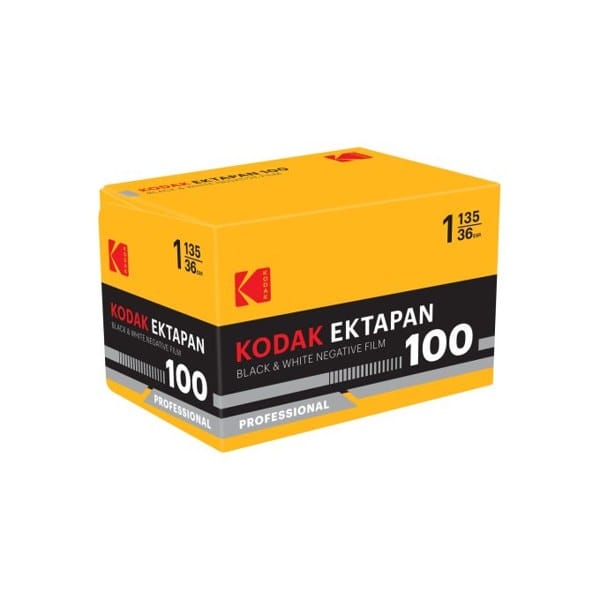
Kodak EKTAPAN 100 / T-MAX 100
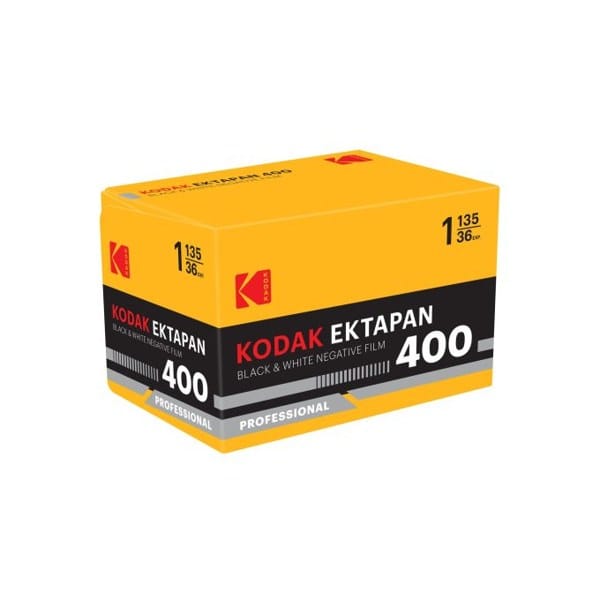
Kodak EKTAPAN 400 / T-MAX 400
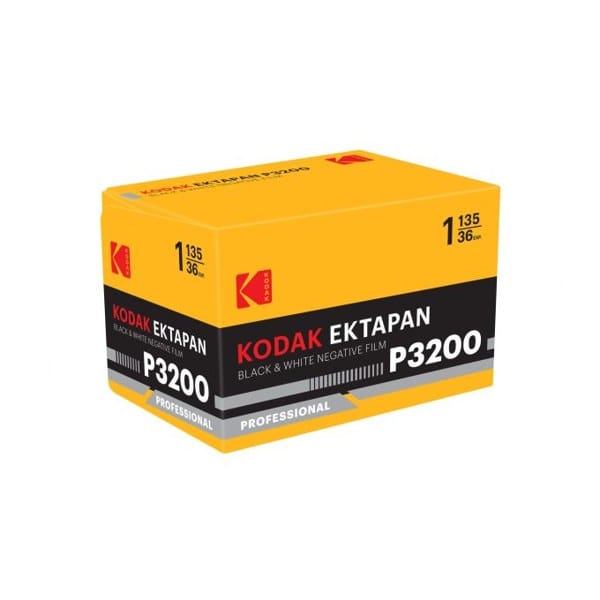
Kodak EKTAPAN P3200 / T-MAX P3200
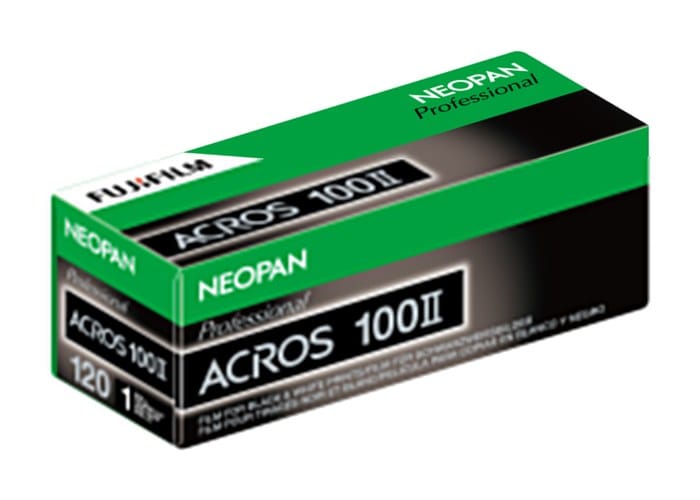
Fujifilm Neopan Acros II
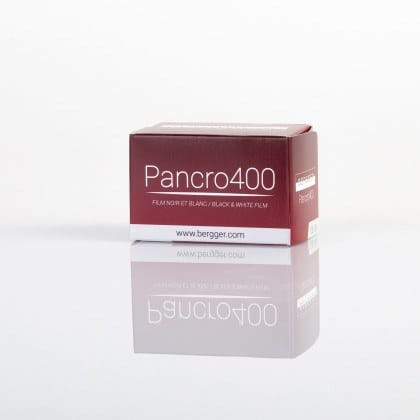
Bergger Pancro 400
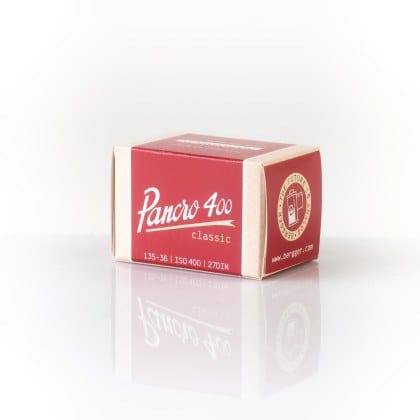
Bergger Pancro 400 Classic
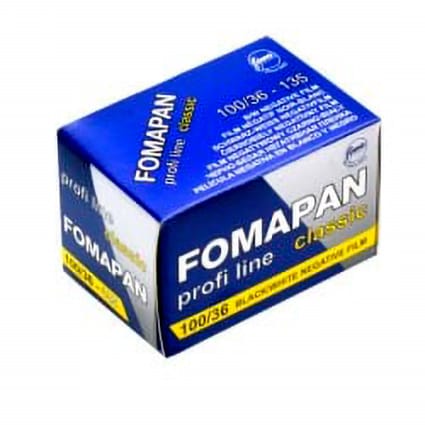
Fomapan 100 Classic
Bergger Pancro 400
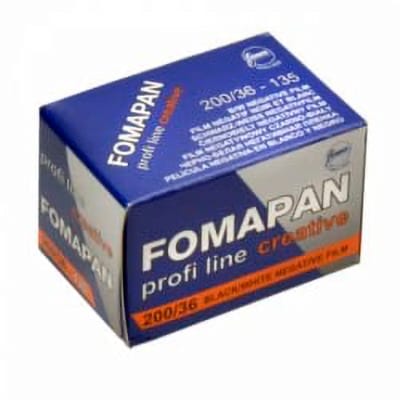
Fomapan 200 Creative
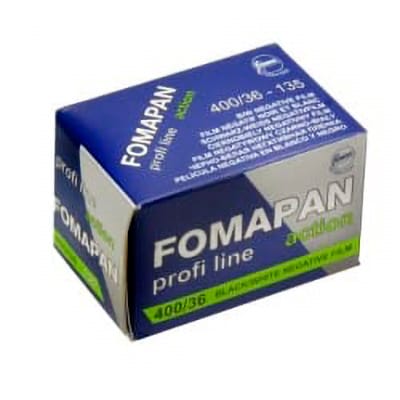
Fomapan 400 Action
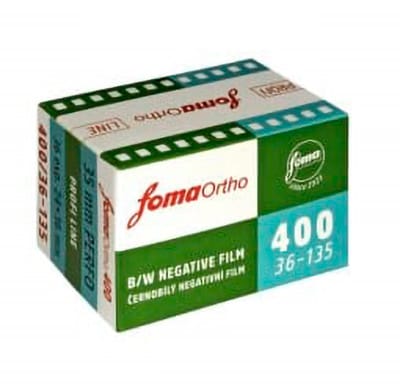
Foma Ortho 400
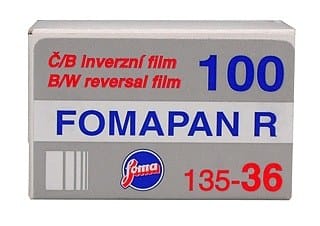
Fomapan R100
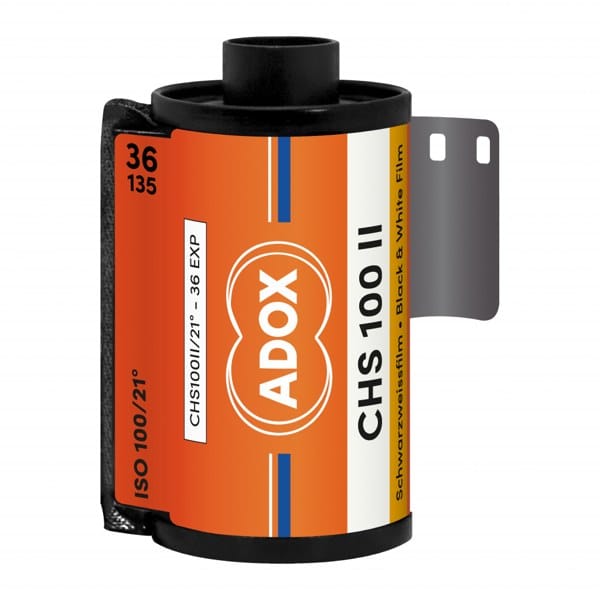
ADOX CHS 100 II
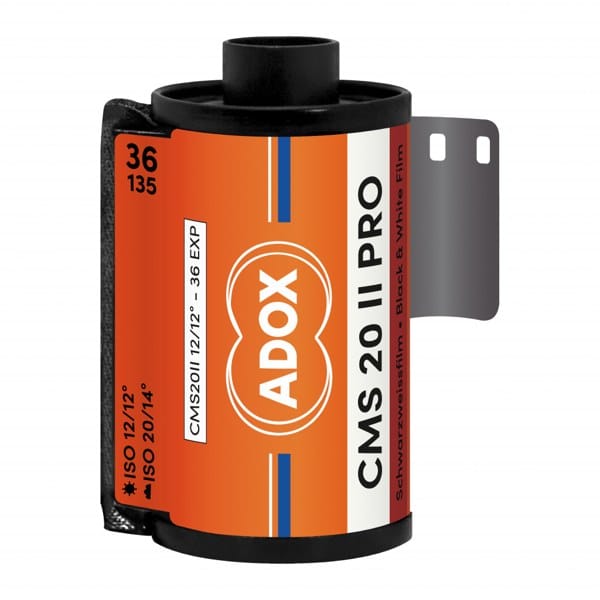
ADOX CMS 20 II PRO
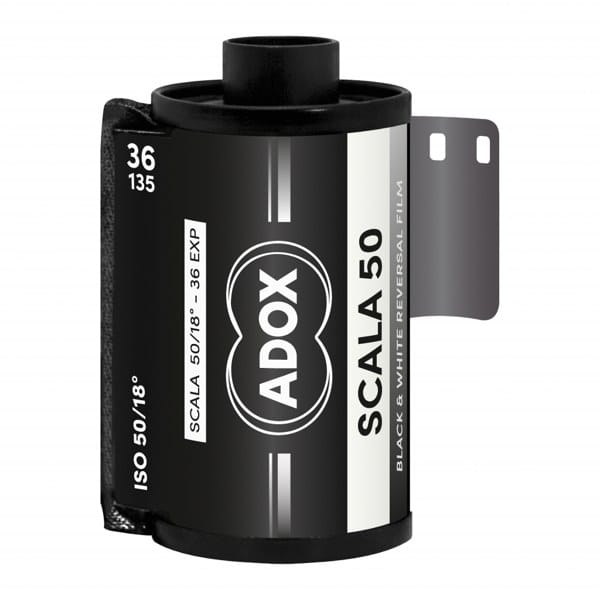
ADOX Scala 50
ADOX CHS 100 II
ADOX CMS 20 II PRO
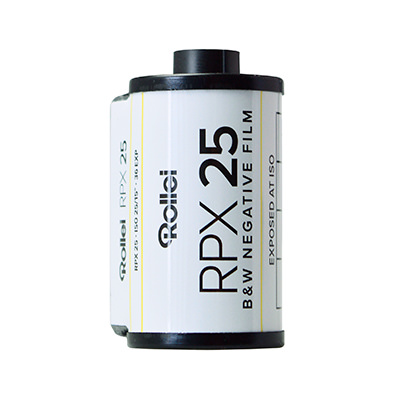
Rollei RPX 25
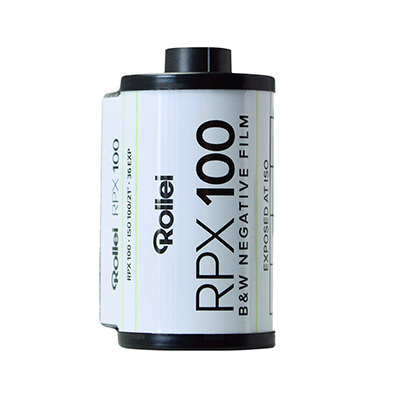
Rollei RPX 100
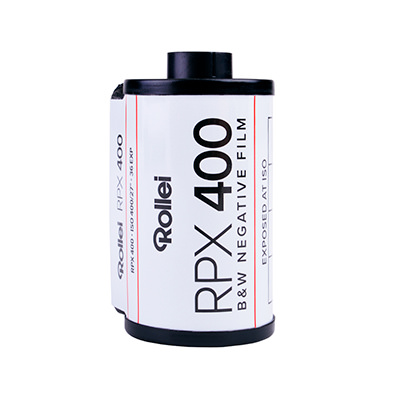
Rollei RPX 400
The wider market
Regional everyday films
Ilford PAN 100 and PAN 400. Regional Ilford offerings; do not assume FP4 or HP5 identity. Check authorized local supply.
Budget private labels
Arista EDU Ultra 100, 200 and 400. Retailer-branded budget range. Check current box data, formats and processing; avoid extrapolating every private label from a presumed factory.
AgfaPhoto
APX 100 and APX 400. Current retail labels should not be confused with historical Agfa production. APX 200 listings need separate regional verification.
Legacy names to separate
ADOX Scala 160; discontinued Washi variants; original Acros; Neopan 400/1600; Kodak BW400CN. An old product page or expired roll does not establish current manufacture. Buy knowingly as old stock, and do not substitute old data for a new namesake.
Build a useful first three-roll test
Choose one general-purpose ISO 400 film, one daylight ISO 100–125 film and one purposeful alternative such as XP2 or an ortho stock. Photograph skin, textured midtones, a bright window, foliage and deep shadows. Include a gray card if available. Record the meter setting, lighting, developer, time and scan settings. Repeat the same scene where practical, and judge matched prints or exports.
Control the comparison
First compare each film at the maker’s recommended working speed and development. If testing personal EIs, change one variable at a time. Keep lens, lighting, framing, output size and editing as consistent as practical. Compare shadow separation, highlight retention, grain and ease of processing. Online photographs from different photographers are inspiration, not a controlled ranking.
Budget per finished frame
Add film, shipping, processing and scanning, then divide by the expected usable frames. A hypothetical $9 roll plus $15 processing and scans costs $24, or about $0.67 per frame across 36 frames, before shipping and failed exposures. These are arithmetic examples, not current market prices. Home development changes the equation but adds equipment, time and consistency requirements.
Before buying a specialty stock
Confirm size, spool, perforations, DX coding, expiry, storage history and usable EI. Clear-base films can pipe light from the leader: load and unload in subdued light when instructed. Confirm whether chemistry is standard B&W, C-41, reversal or a dedicated system. Buy a test roll before committing a once-only event to unfamiliar stock.
Scanning and print decisions
Set a neutral baseline first and avoid automatic contrast that clips either end. Apply consistent sharpening to comparisons. Traditional silver B&W usually conflicts with infrared-based scanner dust removal; clean carefully and retouch manually. XP2 is a useful exception on compatible systems. A pleasing final image may require different curves for different films; show both neutral and finished versions when publishing a comparison.
Choose a film you can learn
A repeatable film-and-developer combination is more useful than a drawer full of partially tested rolls. Start with a stock you can buy again, learn how it records shadows and highlights, and explore one meaningful alternative at a time. Keep an experimental shelf for paper films, technical conversions and infrared projects. Let your subject determine when those experiments belong in a finished story.
What is the best black-and-white film for beginners?
HP5 Plus is an excellent practical starting point; Kentmere 400 can make frequent practice more affordable. XP2 is the easiest fit when your available lab processes only C-41.
Which film has the least grain?
Among conventional pictorial films, low-speed fine-grain choices include Pan F, Delta 100, Acros II and Kodak’s 100-speed T-Grain family. CMS 20 with its dedicated developer is a more specialized route. Compare at the same format and final print size. An incident lightmeter is key for exposure with these films
Can any B&W film go through a color lab?
No. XP2 is designed for C-41. Most films in this guide need a B&W negative process; slide stocks need an appropriate reversal workflow. Ask the lab first.
Is pushing the same as shooting a faster film?
No. Pushing changes development after reduced exposure. It can make a useful image but cannot recover shadow information that was never recorded.
Are two brands with identical ISO numbers the same film?
No. Speed alone proves neither shared manufacture nor identical spectral response. Only reliable documentation supports an emulsion-identity claim.
Why are there no numerical sharpness or grain scores?
The research did not include a controlled cross-film test. Invented scores would create false precision. The comparisons instead explain practical differences, process choices and trade-offs.