
Learn Film Photography: From Camera to Darkroom
Learn Film Photography: From Camera to Darkroom
Film photography offers a hands-on way to understand exposure, light, composition, and the photographic process. Whether you recently purchased your first 35mm camera or want to build traditional darkroom skills, this learning hub will help you understand every step—from loading film to producing a finished print.
Here, you can learn film photography through practical articles, visual guides, and video tutorials created for beginning and intermediate photographers. Lessons explain how film cameras work, how to select the right film, how to expose a photograph correctly, and how to process and print black-and-white film.
Learn How to Use a Film Camera
Although film and digital cameras share many basic controls, photographing with film requires a more deliberate approach. You cannot immediately review the image on a screen, so understanding your camera before releasing the shutter is especially important.
These lessons will help you learn how to:
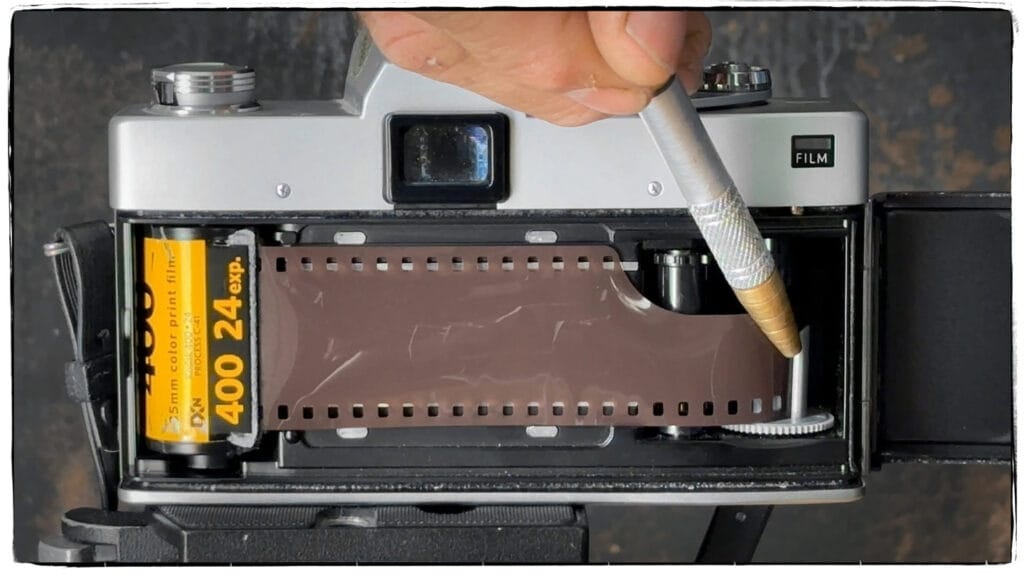
- Load and unload 35mm and medium-format film
- Set the correct ISO for your film
- Use aperture, shutter speed, and manual exposure
- Read a built-in or handheld light meter
- Focus accurately without digital magnification
- Select the appropriate lens and focal length
- Prevent common problems such as camera shake and accidental double exposures
Learning to operate a film camera strengthens skills that apply to every form of photography. It encourages you to slow down, observe the light, refine your composition, and make each photograph with intention.
Understand Film Exposure
Correct exposure is one of the most important parts of learning film photography. Aperture and shutter speed determine how much light reaches the film, while the film’s ISO indicates its sensitivity to light.
You will learn how the exposure triangle applies to film, how to create equivalent exposures, and how different settings affect motion and depth of field. Tutorials will also explore metering techniques, exposure latitude, bracketing, and the differences between exposing color-negative, slide, and black-and-white film.
Additional lessons explain pushing and pulling film, including how changing the exposure index affects development time, contrast, grain, and image quality.
Choose the Right Photographic Film
Different films produce noticeably different results. Some create fine grain and smooth tonal transitions, while others deliver stronger contrast, increased sharpness, or distinctive color.
This page includes guidance on:
- Black-and-white negative film
- Color-negative film
- Color transparency or slide film
- Film speed and grain
- Film latitude and contrast
- Choosing film for portraits, landscapes, street photography, and low-light situations
You will also find information about popular Kodak, Ilford, and Fujifilm products and how their visual characteristics influence the final photograph.
Develop Black-and-White Film
Developing film provides greater control over the photographic process and can be done at home with a modest amount of equipment. Step-by-step tutorials explain the supplies, chemistry, temperatures, development times, and agitation methods used to process black-and-white film safely and consistently.
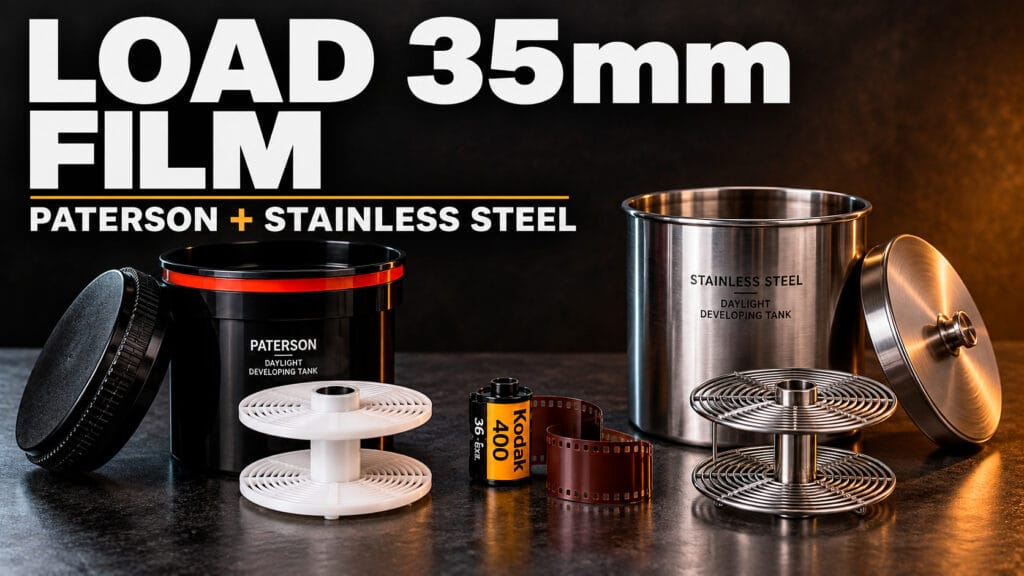
Topics include loading film onto a reel, preparing chemistry, using a daylight developing tank, washing processed film, preventing water spots, and storing negatives properly. You will also learn how developer choice, dilution, temperature, agitation, and development time affect contrast, sharpness, and grain.
Make Prints in the Darkroom
A darkroom print is more than a reproduction of a negative. It is an interpretation shaped by exposure, contrast, cropping, dodging, burning, and paper selection.
Darkroom printing guides cover the complete process, including:
- Setting up and focusing an enlarger
- Creating a test strip
- Selecting a contrast filter
- Determining the correct exposure
- Developing, stopping, fixing, and washing a print
- Using dodging and burning to improve tonal balance
- Choosing between resin-coated and fiber-based paper
- Evaluating and finishing the final photograph
These lessons are designed to make darkroom procedures easier to understand through clear explanations, demonstrations, illustrations, and printable reference materials.
Begin Your Film Photography Journey
Film photography combines technical knowledge with patience, observation, and creative decision-making. You do not need an expensive camera or a permanent darkroom to begin. Start with a dependable film camera, one lens, a roll of film, and a willingness to experiment.
Explore the tutorials below to learn film photography at your own pace. New lessons, videos, assignments, and darkroom resources will continue to be added to help you move confidently from your first roll of film to your first finished print.